
Ceramic vs Porcelain Teacups: A Practical Guide
Two teacups can look nearly identical online yet differ in rim thickness, capacity, and the space they take up on a tray. For a ceramic vs porcelain teacup decision, begin with one distinction: porcelain is a type of ceramic. Retail descriptions often use “ceramic” for other pottery, such as stoneware or earthenware. This guide explains how to read those labels, compare cup shapes and sizes, and choose care routines that suit your purchase. At Buddha Stones, we suggest choosing the drinking vessel first, then considering any surrounding decor.
Start with these questions
- How will you serve tea? Small, repeated pours need a different capacity from a single mugful at a desk.
- What does the material label actually say? Look for porcelain, stoneware, or earthenware rather than relying on the broad word “ceramic.”
- How will you hold it? Compare handles, rim shape, and the width of the cup where your fingers will rest.
- Where must it fit? Check the shelf, tray, saucer, and clearance beneath your brewing equipment.
- What care can you provide? Choose according to confirmed dishwasher and microwave instructions, especially with decorative finishes.
Ceramic vs porcelain teacup: read the material label
Ceramic is the broader family of fired clay objects. Earthenware, stoneware, and porcelain belong to that family, but their clay bodies and firing processes differ. A cup described only as ceramic leaves useful questions unanswered. Check the fuller description before treating the label as a specific material.
Porcelain is generally dense and fine textured; thin sections can be translucent. It can suit a preference for a fine rim or a pale interior that makes the tea’s color easy to see. Neither thin walls nor a white finish is guaranteed by the word porcelain, so inspect the individual design.
Stoneware commonly has an opaque body and can be made in substantial or slender forms. Earthenware is generally more porous beneath its glaze. A finished cup’s suitability for drinking depends on the complete vessel, including its glaze and intended use. Choose an item explicitly sold as drinkware; a decorative ceramic object is not automatically suitable for tea.
For a practical shortlist, start with porcelain if a fine rim and pale interior matter to you. Consider stoneware if you prefer an opaque body and a substantial shape. Then compare the actual dimensions, finish, and care instructions before deciding.
Match capacity to the way you pour
Capacity should follow your serving pattern. For several small pours from a shared pot, smaller cups let you divide each infusion without leaving much behind. For one longer serving, choose a larger cup that holds the amount you normally prepare.
Check whether a stated capacity means filled to the brim or a comfortable serving level. You need space below the rim to lift and carry the cup. If the description gives only height and width, do not assume you can calculate usable capacity accurately: wall thickness, the foot, and a tapered interior all change it.
When comparing cups for a shared tea service, consider their combined usable capacity alongside the amount poured from the pot. Avoid choosing by exterior size alone. A broad, shallow bowl and a narrow, tall cup may occupy different amounts of tray space even when they hold similar servings.
Check the rim, grip, and shelf fit
A thin rim and a rounded, thicker rim offer different drinking edges. Neither suits everyone. In product photos, look for a clear side view of the lip, then check whether it flares outward or curves inward. A strongly shaped rim deserves attention before the color or pattern decides the purchase.
For a handled cup, examine the opening and the distance between the handle and the body. For a handleless cup, consider where your fingers can sit below the rim. Cup walls can become hot during use; a material name alone does not establish how comfortable a particular shape will be to hold.
Check the base as well. It should sit steadily on its intended surface, and a saucer should accommodate the foot. Include the handle when checking shelf width. If you plan to stack cups, confirm that their design permits stacking rather than assuming matching shapes will nest securely.
Choose care instructions you can follow
Read the maker’s directions for the specific cup before using a dishwasher or microwave. Porcelain and ceramic labels alone do not establish appliance compatibility. Metallic decoration is a reason to check microwave instructions especially carefully.
For routine handwashing, use mild dish soap and a nonabrasive sponge, rinse thoroughly, and let the cup dry before putting it away. Avoid moving a cup directly between sharply different temperatures. Do not pour hot tea into a chilled vessel unless its maker specifically permits that use.
Inspect the rim and interior regularly. Stop using a cup for drinking if it develops chips or cracks. Persistent staining calls for the maker’s recommended cleaning method, rather than an abrasive cleaner chosen by guesswork.
Porcelain jewelry and ceramic decor from our store
Our related products below are jewelry and decorative objects. Their material descriptions can help you recognize how widely the words porcelain and ceramic are used, but they do not establish drinkware suitability.
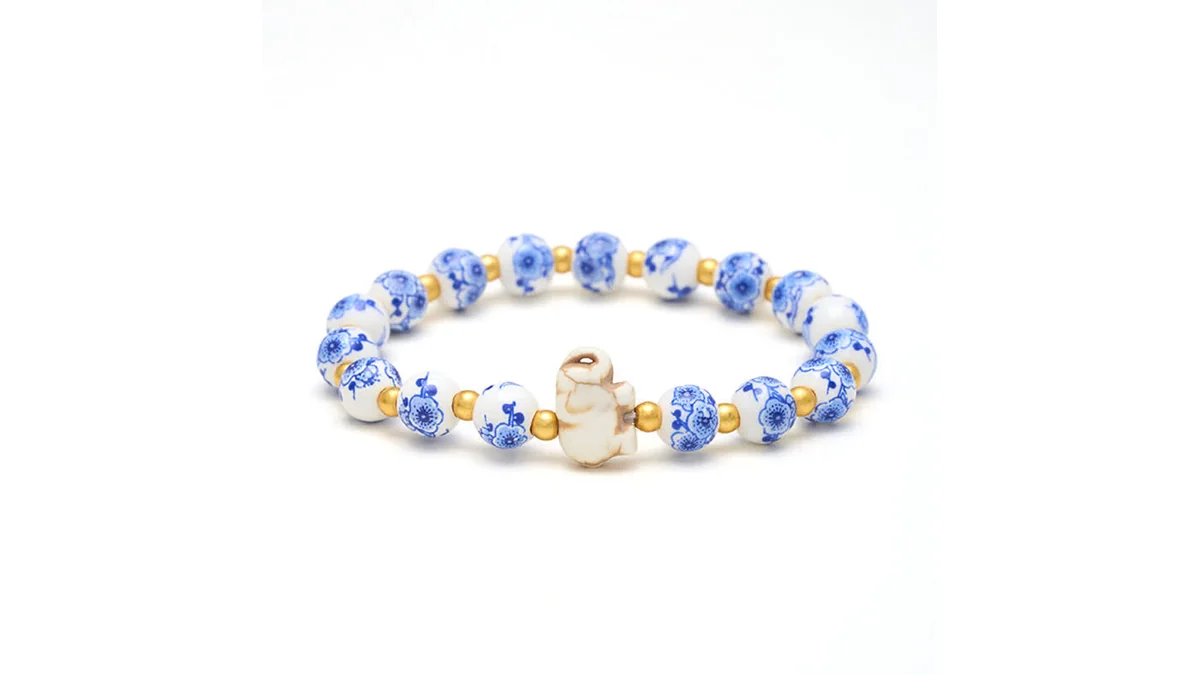
The White Porcelain Elephant Floral Round Bead Bracelet combines White Porcelain, White Turquoise, and Gold-Plated Copper. It has 8mm beads and Premium Elastic String, with a wrist circumference specification of 5.5–5.9 in (14–15 cm). Use wrist measurements, rather than the material name, to assess fit.
The Crystal Tree with Ceramic Base is a decoration measuring about 4.5*12cm and weighing about 110g. Options include Amethyst, Citrine, Citrine+Amethyst, Green Aventurine, and Pink Crystal. “Prosperity” in its full name expresses a traditional wish; it does not guarantee financial results.
For a separate shelf accent, the ceramic Auspicious Goat Ram Tabletop Decor measures approx. 10.0 cm × 5.6 cm × 8.2 cm (L × W × H). Blue, Green, and Purple options are available. Its handmade nature means slight variations in color, shape, and size are possible.
The Ceramic Butterfly Gourd Rotating Decor measures approx. 3.5 cm × 3.5 cm × 6 cm (L × W × H). The package contains one Ceramic Gourd Ornament. Ceramic firing and hand-painting can produce variations in color and patterns. Keep decorative objects clear of the area used for pouring.
FAQ
Is porcelain different from ceramic?
Porcelain belongs to the ceramic family. When a shop contrasts the two terms, check what its “ceramic” option actually contains. Stoneware and earthenware are more specific descriptions and give you a clearer starting point.
Which material keeps tea hot longer?
The label alone cannot settle that comparison. Wall thickness, cup shape, serving volume, and a lid affect how quickly a serving cools. Compare similar designs and look for information about the particular cup rather than assuming porcelain or stoneware always wins.
Can I choose by appearance alone?
Use appearance to narrow your choices, then confirm drinkware suitability, capacity, dimensions, and care requirements. A cup that fits your pouring routine and storage space gives you a more useful basis for purchase than a material label or photograph alone.
Shop the story
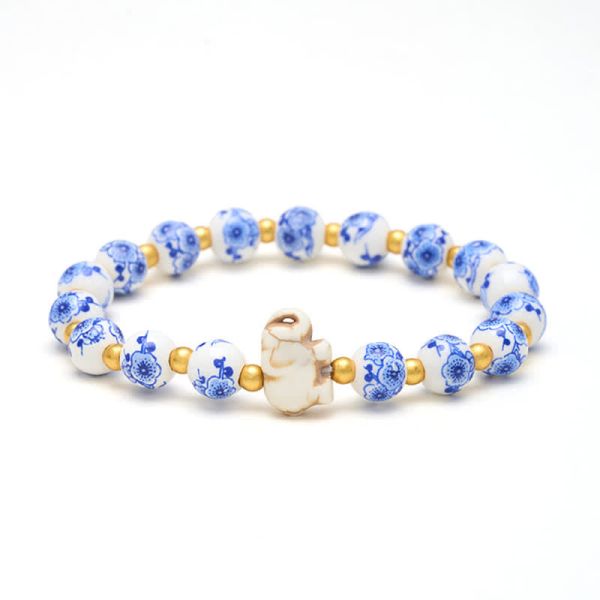 Buddha Stones White Porcelain Elephant Floral Round Bead BraceletSpecial Price $25.59 Regular Price $36.04
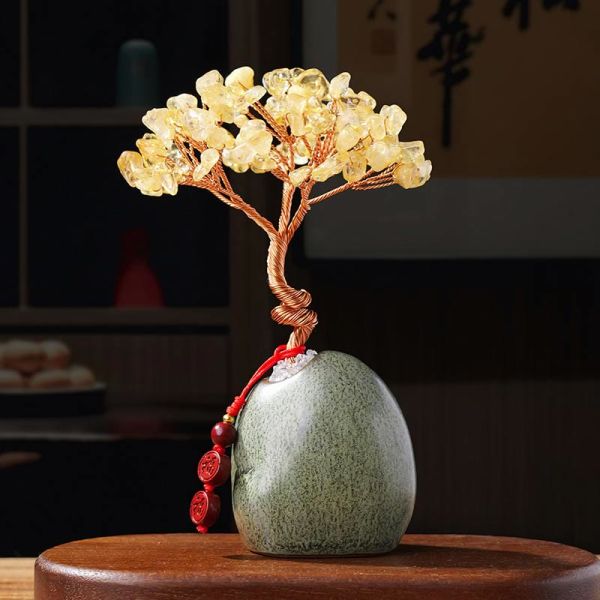 Buddha Stones Citrine Amethyst Green Aventurine Crystal Tree Ceramic Base Prosperity Home DecorationAs low as $43.59 Regular Price $58.91
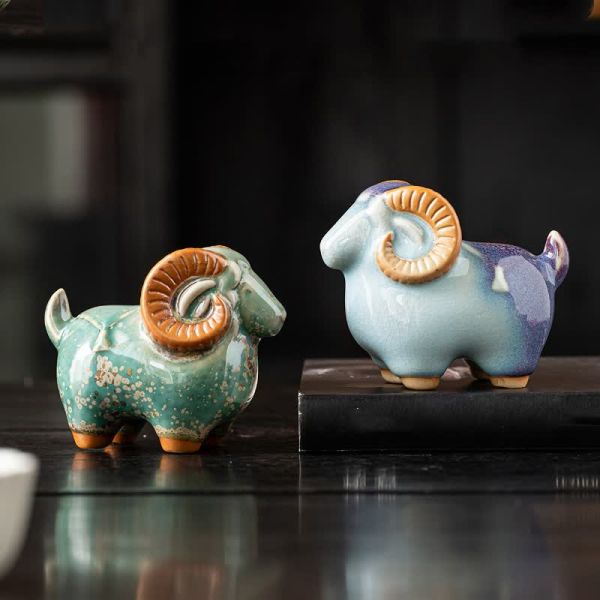 Buddha Stones Ceramic Auspicious Goat Ram Tabletop Cute Animal DecorAs low as $44.59 Regular Price $61.93
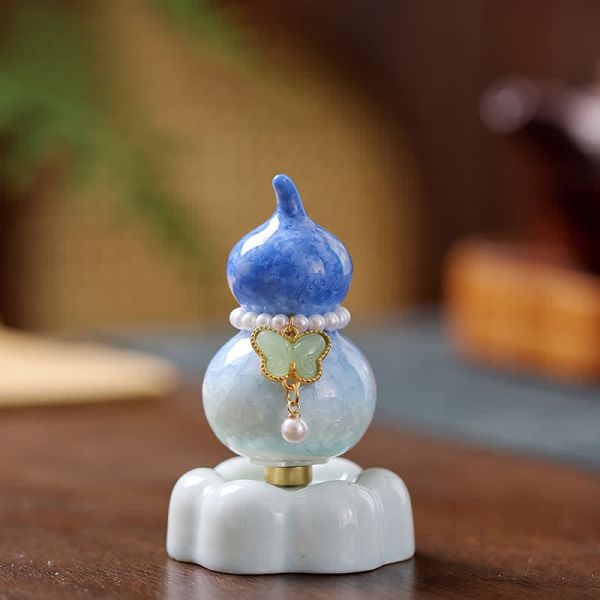 Buddha Stones Ceramic Butterfly Gourd Rotating Mindful Living DecorAs low as $25.59 Regular Price $35.54