
Buddha Statue Placement: A Guide to Choosing a Spot
A shelf may have enough height for a Buddha statue yet leave its base hanging over the front edge. That is a reason to measure before choosing a spot. Buddha statue placement means selecting a respectful, stable location that suits the figure, its finish, and the way you use the room. Here, we explain how to compare surfaces, check clearance, choose an orientation, and keep the surrounding area accessible for care.
Start with these questions
- What is the statue for? Decide whether it will serve as a religious image, a focus for practice, or a decorative object that you want to display respectfully.
- Can the surface support it? Check the furniture’s load limit and the statue’s actual weight before installation.
- Does the entire base fit? Allow room around the footprint, including space to lift the figure safely.
- What happens nearby? Consider opening doors, passing bags, splashing water, cooking residue, children, and pets.
- Can you maintain this location? Choose somewhere you can reach for dusting without stretching over fragile objects.
Buddha statue placement by room and use
Begin with how the room functions. In a living room, a stable cabinet or dedicated shelf can give the image a clear place without putting it in a busy passage. In an entryway, check that the door cannot strike the furniture and that coats or shoulder straps cannot catch the figure.
For a space used for Buddhist practice, follow your tradition’s guidance where available. Many Buddhist households place sacred images on a clean, raised surface as an expression of respect. Customs differ, so avoid treating one household arrangement as a rule for everyone.
In a bedroom or shared room, consider privacy and the surrounding activities. A separate shelf may suit the space better than a bedside surface crowded with drinks and charging cables. Bathrooms and locations beside trash or shoes are generally poor choices for a religious image. If the only available spot creates an awkward arrangement, reconsider the furniture before buying the statue.
Match the base and height to the furniture
Measure the usable surface rather than the furniture’s overall width. A raised rim, sloping top, or nearby lamp can reduce the area available. Check the statue’s widest points as well as its base; an extended hand or surrounding frame may need additional clearance.
Mark the proposed footprint with removable paper. Open nearby cupboards and walk past the furniture while carrying your usual belongings. This helps identify collisions before a fragile object occupies the space.
Height also affects access. Leave enough room above the figure to lift it without scraping the shelf above. Avoid placing it so high that cleaning requires an unstable reach. For wall shelves, confirm the shelf, brackets, wall type, and installation can support the intended load. A small footprint does not establish that an object is lightweight.
Let materials and finishes guide the location
Before choosing a sunny window, covered porch, or kitchen shelf, check the maker’s care instructions. Indoor suitability does not establish outdoor suitability. Rain, changing temperatures, and persistent moisture can affect materials and finishes differently.
A decorative coating may need different treatment from the material beneath it. Do not assume that a metal-colored surface is solid metal or that a stone appearance identifies the material. Ask for clarification when the description leaves this uncertain.
Keep the figure away from direct heat and places where water regularly splashes. If you plan to display it near plants, leave enough separation to water them without wetting the statue or its support. Choose the location around verified care requirements, rather than assuming a finish will tolerate the setting.
Keep cleaning and daily access straightforward
Leave a reachable gap around the base. Crowding the figure with small objects makes dusting harder and increases the chance of knocking something over. Store frequently handled belongings elsewhere so reaching for keys does not require reaching across the statue.
Follow the maker’s cleaning directions. Where dry dusting is permitted, work gently and avoid catching delicate projections. Do not apply polish, oil, detergent, or water without confirming compatibility with the finish. Move the figure only when you can support it securely; projecting hands or decorative details are not carrying handles.
If incense or candles are used nearby, provide separate, suitable holders and follow their fire precautions. Keep flames and hot ash away from the statue, shelving, curtains, and fabric storage. Check periodically for residue rather than letting deposits accumulate.
Our bags for keeping personal belongings separate
A bag stored on its own hook or in a cupboard can help keep everyday belongings off a display surface. The following products are personal bags, and their specifications do not establish suitability for transporting a statue. Choose by pocket layout, dimensions, and strap type for the belongings you intend to carry.
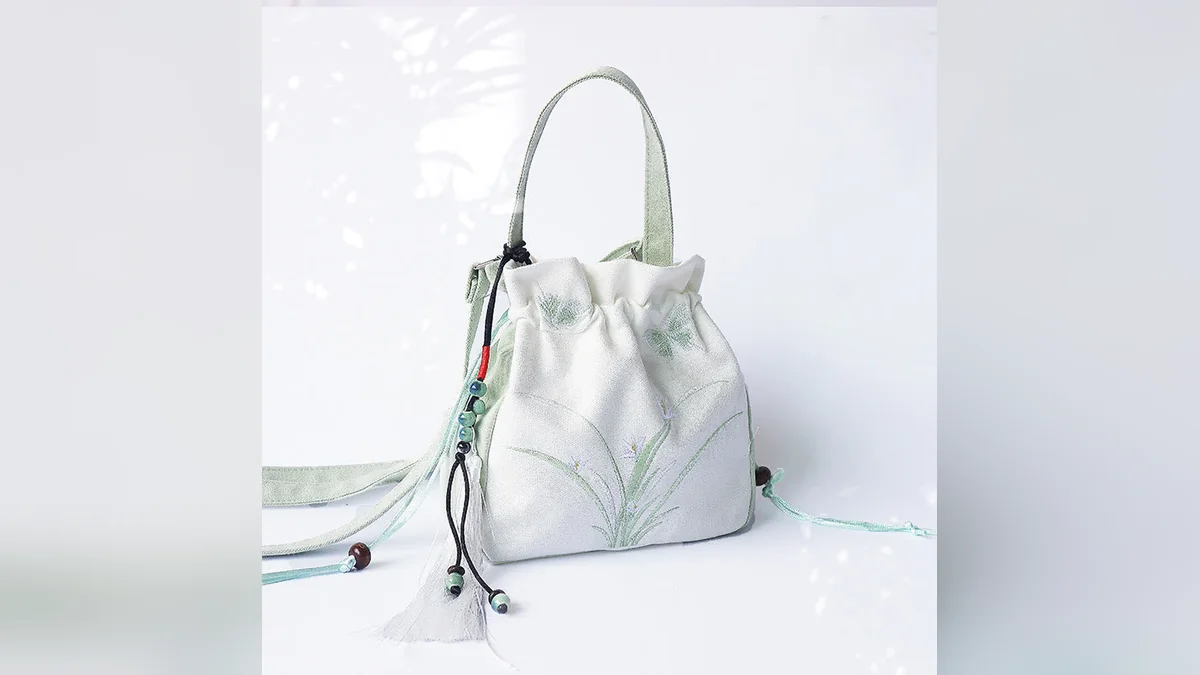
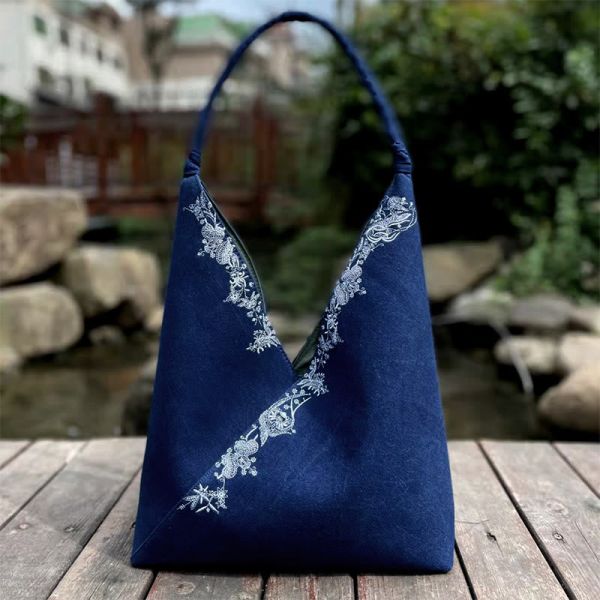
The Buddha Stones Handmade Embroidered Flowers Canvas Bag uses Canvas Fabric and measures 20*20cm. Its internal structure contains 1 Main Pocket, 1 Hidden Pocket, and 1 Back Zipper Pocket. It has an adjustable strap, a shoulder bag strap length of 65cm, and a tote bag strap length of 8cm. Blue White Lotus and Green White Lotus are among its options.
For a different pocket arrangement, the Buddha Stones Tibetan Handmade Embroidered Camellia Canvas Crossbody Bag has 1 Main Pocket. Its Canvas Fabric body measures 33*28cm, with a non-adjustable strap measuring 130cm. The options are Blue Camellia and Red Camellia. Compare that fixed strap length with your preferred carrying position; strap length alone does not describe where a bag will sit on your body.
The Buddha Stones Handmade Embroidered Plum Flowers Canvas Bag comes in sizes of 17*19cm / 20*23cm, depending on the option. It has a 63cm adjustable strap, 1 Main Pocket, and 1 Zipper Pocket. Light Blue Plum Bamboo is available in both stated sizes, so check the selected option rather than relying on the pattern name alone.
The Buddha Stones Handmade Embroidery Pattern Canvas Bag Set includes 1 Pc Large Bag and 1 Pc Small Bag. Materials are Canvas Fabric, Chenille Fabric, and Nylon. The large bag measures 31cm*11cm*38cm (Length*Width*Height); the small bag measures 32.5*20.4cm. The straps are non-adjustable. Blue Flower and Multicolored Flower are the available options.
FAQ
Which direction should a Buddha statue face?
There is no single compass direction required across Buddhist traditions and household settings. Follow guidance from your own tradition if you practice within one. Otherwise, orient the image so it can be viewed respectfully from the intended sitting or standing position, while keeping its base secure and the surrounding area accessible.
Can a Buddha statue sit directly on the floor?
For a religious image in a home, a clean, raised support is commonly preferred as a sign of respect. This also separates it from shoes, floor cleaning, and passing feet. Choose a support that fits the entire base and remains stable; an improvised stack of objects creates an avoidable handling problem.
Can I place a Buddha statue beside everyday decor?
Yes, provided the arrangement suits your purpose and any religious customs you follow. Leave enough space to distinguish the image from general storage. Avoid resting keys, bags, or other belongings against it. Before settling on the arrangement, confirm that you can reach nearby objects and clean the surface without moving the statue repeatedly.
Shop the story
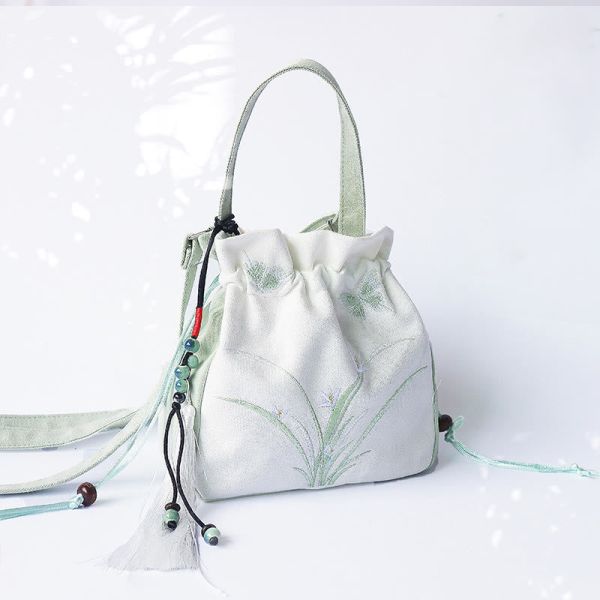 Buddha Stones Handmade Embroidered Flowers Canvas Tote Shoulder Bag HandbagAs low as $26.59 Regular Price $36.93
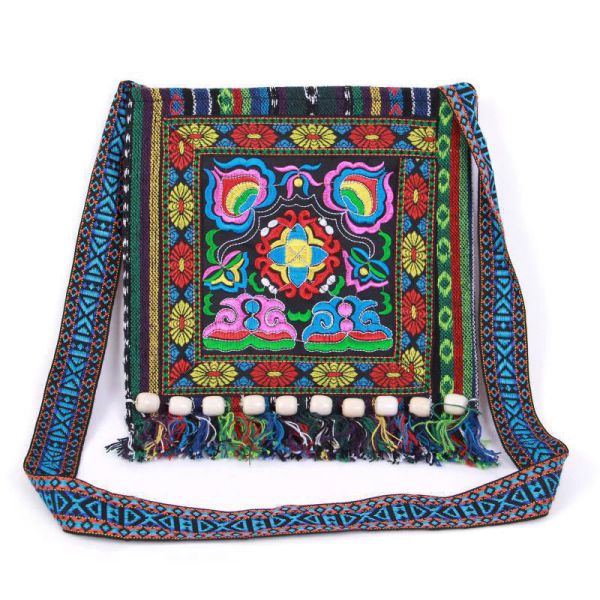 Buddha Stones Tibetan Handmade Embroidered Camellia Canvas Shoulder Bag Crossbody BagAs low as $17.59 Regular Price $24.77
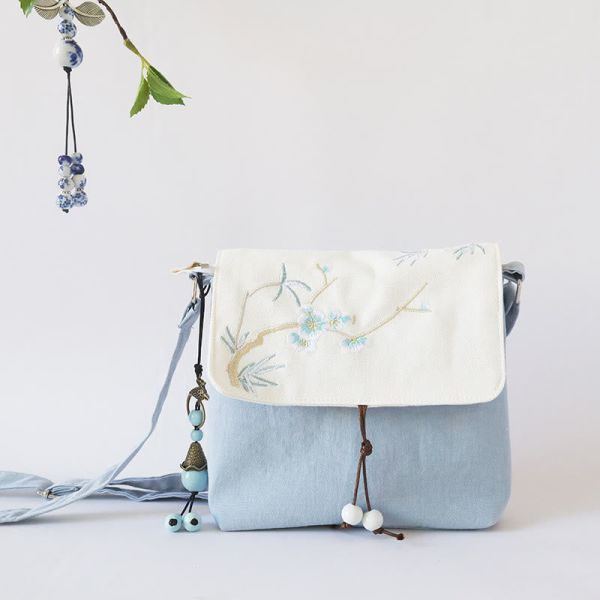 Buddha Stones Handmade Embroidered Plum Flowers Canvas Crossbody Bag Shoulder Bag HandbagAs low as $26.59 Regular Price $36.42
 Buddha Stones Handmade Embroidery Pattern Canvas Shoulder Bag Tote Bag SetAs low as $52.59 Regular Price $70.12