
Bronze Buddha Care: Set Up a Respectful, Dry Display
A bronze Buddha stands on a raised shelf facing a meditation seat, with room around its base for dusting. That clearance makes routine care easier. For bronze Buddha care, choose a dry, stable indoor position, remove loose dust gently, and preserve the existing surface rather than polishing for shine. In many Buddhist households, placing the image above floor level in a clean, respected location expresses reverence. Placement customs vary by community; follow your tradition without treating a compass direction as a promise of results.
At Buddha Stones, we approach this as a practical arrangement: understand the surface, prepare its support, and make maintenance possible without repeatedly moving the figure. This guide concerns indoor display and ordinary upkeep, rather than restoration.
Step 1: Start bronze Buddha care with a surface check
Before choosing a cleaning method, check any documentation that came with the figure. A bronze-colored appearance alone does not establish its material or finish. Paint, gilding, lacquer, and exposed metal can require different treatment. If the finish is unknown, leave liquids, polish, and wax aside until you have reliable instructions for that particular object.
A patina is an established surface layer, and it may be an intentional part of the figure’s appearance. A smooth, firmly attached brown, black, or green surface does not automatically need removal. Fresh powder, loose flakes, and spreading changes deserve closer assessment. The [Canadian Conservation Institute’s metal-care guidance](https://www.canada.ca/en/conservation-institute/services/preventive-conservation/guidelines-collections/metal-objects.html) explains this distinction and the vulnerability of thin finishes to abrasion and chemicals.
Photograph the front, back, and base before starting. Keep these images with the care instructions so you can compare any later changes. Do not scrape an inconspicuous spot to identify the material.
Step 2: Prepare a shelf that supports the whole base
Choose furniture that can support the figure’s weight and a surface broad enough for its entire base. Keep it back from the edge. Check the shelf itself before placing anything on it; a loose bracket or rocking table needs attention first. Avoid a route where doors, curtains, sleeves, or bag straps can catch projecting details.
For a devotional setting, give the Buddha image a clearly designated place above the floor. You can orient it toward the area where you sit or bow, provided access remains practical. There is no single household arrangement shared by all Buddhist traditions. Ask your own temple about ritual conventions if you follow a particular lineage.
Leave space behind and beside the figure for inspection. Keep unrelated storage off the display surface, and avoid placing another object where reaching for it requires passing a hand over the Buddha’s head.
Step 3: Arrange nearby objects without crowding the figure
Separate the statue from places where water is poured, tea is served, or household sprays are used. A windowsill with condensation is a poor choice. So is a shelf beside a sink. If flowers or water offerings are part of your practice, place their containers where you can remove and refill them without carrying water over the figure.
Keep incense ash and candle wax from settling on the surface. Position their holders separately, with the clearance their own instructions require, and never leave burning items unattended. Incense is optional for an indoor display; the statue does not require smoke as part of routine maintenance.
Before settling on the layout, rehearse the empty-handed movements: reaching the back of the shelf, lifting an offering container, and opening nearby doors. Adjust the arrangement if any movement feels cramped. This small check can prevent unnecessary handling later.
Step 4: Remove loose dust with minimal contact
For an intact, stable surface, use a clean, dry, very soft brush reserved for the figure. Work lightly from upper areas downward, directing loose dust away from recesses. Keep the hard part of the brush away from the metal. If a bristle catches, stop rather than pulling it through a fine detail.
Do not scrub robe folds or push tools into narrow openings. Leave attached residue for assessment instead of treating it as stubborn dust. If paint or gilding appears loose, skip brushing that area and ask a conservator how to proceed.
Move the figure only when necessary. Clear the destination first, use both hands, and support the substantial base rather than a hand, ornament, or projecting part. For a figure too heavy or awkward to handle securely, arrange suitable help before attempting the move.
Step 5: Make the next inspection easy
Check for dust when you clean the surrounding furniture, then dust the figure only when needed. Compare suspicious marks with your reference photographs. New powder or flaking calls for a qualified objects conservator, especially if the figure is antique, valuable, or has an uncertain history.
If you temporarily remove it, prepare a stable, padded resting place first. Keep the original care paperwork accessible. Record any advice you receive about coatings or cleaning so a future caretaker does not have to guess.
Common mistakes that complicate upkeep
- Chasing an even shine: polishing can erase deliberate surface differences and damage a finish.
- Trying kitchen cleaning recipes: skip vinegar, lemon, salt, toothpaste, and abrasive powders on an unidentified surface.
- Bathing the figure: ceremonial washing customs do not establish that a particular object can tolerate immersion.
- Adding oil or wax by habit: obtain instructions specific to the surface before applying a coating.
- Using projecting details as handles: plan the lift around secure support beneath the figure.
- Leaving maintenance until access is blocked: keep the surrounding shelf clear enough to inspect.
Our embroidered bags for belongings beside the display area
A separate place for everyday belongings helps keep the display shelf available for its intended use. The following bags are options for personal organization. Choose from their stated dimensions and pocket arrangements rather than assuming a bag can transport a bronze figure.
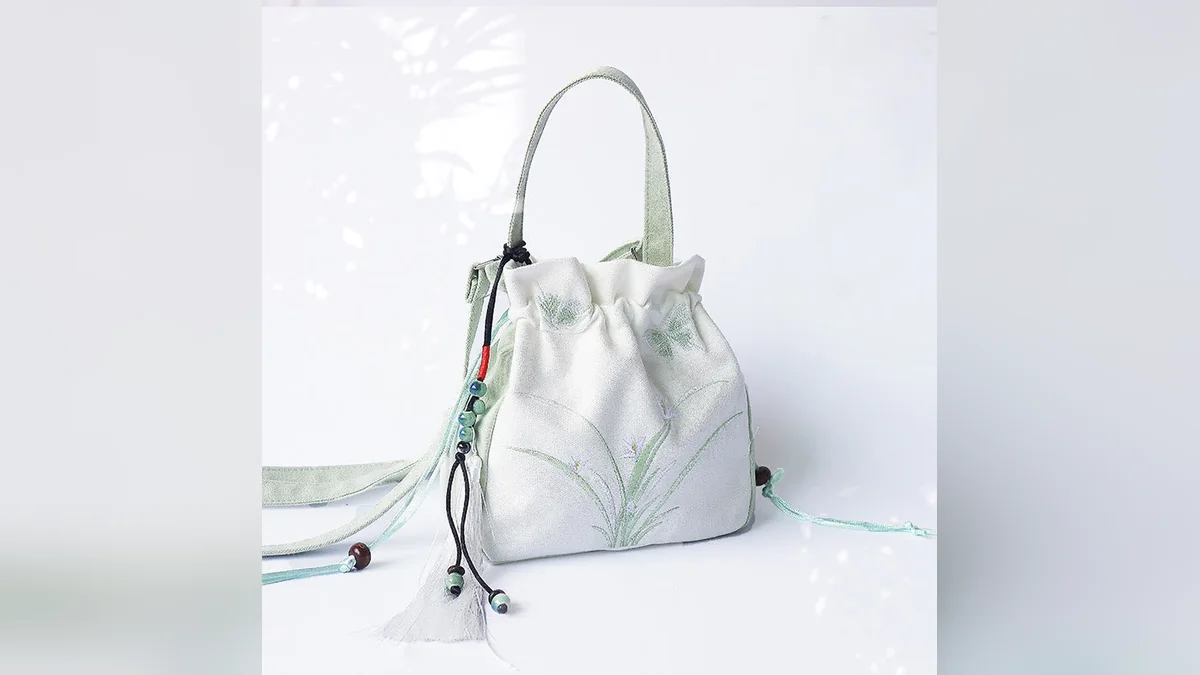
Our Handmade Embroidered Flowers Canvas Tote Shoulder Bag measures 20*20cm. Its canvas fabric construction includes one main pocket, one hidden pocket, and one back zipper pocket. The adjustable strap and strap closure are specified features; Blue White Lotus and Pink White Cherry Blossom are among the options.
The Tibetan Handmade Embroidered Camellia Canvas Crossbody Bag comes in Blue Camellia or Red Camellia. This canvas fabric bag measures 33*28cm, with one main pocket and a non-adjustable strap measuring 130cm. Its stated weight is 190g.
For a different pocket arrangement, our Handmade Embroidered Plum Flowers Canvas Crossbody Bag has one main pocket and one zipper pocket. The sizes are 17*19cm / 20*23cm, depending on the option. It uses canvas fabric and an adjustable strap, with a stated strap length of 63cm.
The Handmade Embroidery Pattern Canvas Shoulder Bag Tote Bag Set includes one large bag and one small bag. Materials are canvas fabric, chenille fabric, and nylon. Blue Flower and Multicolored Flower are available options. The small bag has one main pocket and one zipper interior pocket.
FAQ: Questions about the finished setup
Should a bronze Buddha always face east?
Household and temple conventions differ. Follow the tradition you practice while choosing a secure, accessible position. Direction is a matter of religious or cultural convention, not a guarantee of an outcome.
Does green coloring mean the statue needs cleaning?
Color alone is insufficient. An established green patina may be stable. New powder, flaking, or visible progression needs professional assessment; do not scrape it away to check underneath.
Can the figure share a shelf with tea equipment?
Keep pouring and rinsing on a separate working surface. If both occupy the same area, leave enough separation to remove teaware without touching the figure or passing filled vessels above it.
Shop the story
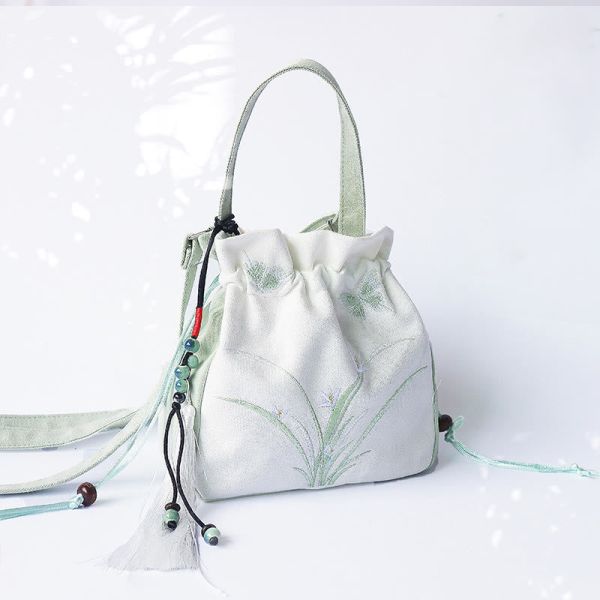 Buddha Stones Handmade Embroidered Flowers Canvas Tote Shoulder Bag HandbagAs low as $26.59 Regular Price $36.93
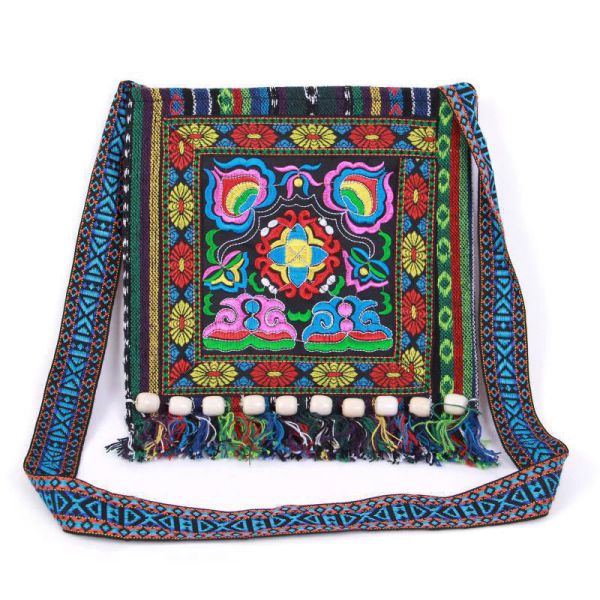 Buddha Stones Tibetan Handmade Embroidered Camellia Canvas Shoulder Bag Crossbody BagAs low as $17.59 Regular Price $24.77
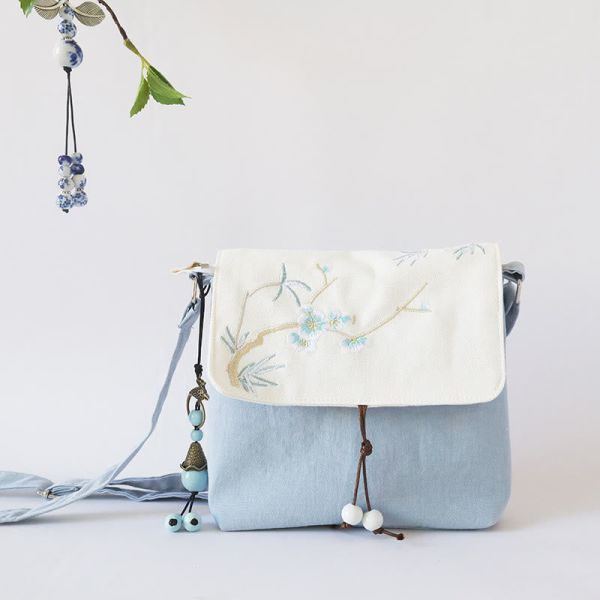 Buddha Stones Handmade Embroidered Plum Flowers Canvas Crossbody Bag Shoulder Bag HandbagAs low as $26.59 Regular Price $36.42
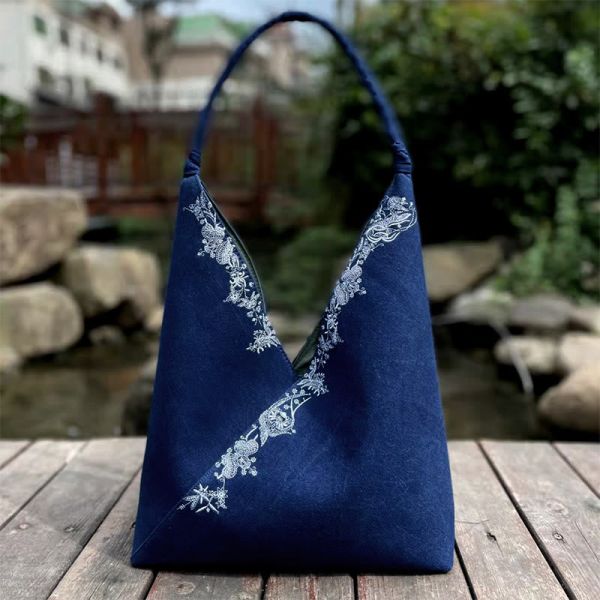 Buddha Stones Handmade Embroidery Pattern Canvas Shoulder Bag Tote Bag SetAs low as $52.59 Regular Price $70.12