
Bracelets for Women: Daily Wear and Care Manual

Bracelet clasps can catch on a shawl when you pull fabric past your wrist. A quick check before dressing and a careful wipe after wear give you a useful care routine. This manual covers bracelets for women as everyday wrist accessories: you will learn how to inspect fastenings, handle different constructions, limit contact with liquids, and recognize when repairs are needed. At Buddha Stones, we recommend starting with the care directions for your particular piece. Beads, cords, finishes, and settings can require different handling, so one cleaning method should never stand in for those directions.
Tools and materials for a careful inspection
Set up a clear surface before opening a clasp or checking a strand. Work over a folded towel so a dropped bracelet has a cushioned landing and small parts are easier to find. Keep drinks and cleaning products away from the work area.
- A clean, dry, lint-free cloth for a gentle surface wipe where the care directions permit it.
- A shallow tray to hold the bracelet while you examine it.
- A magnifying glass, if available, to inspect cord wear, clasp joins, and settings.
- Separate storage compartments or individual pouches to keep pieces from tangling.
- The bracelet’s care information, including any instructions for its finish or stringing.
These are suggested supplies, not package contents. Leave polishing compounds, brushes, and liquid cleaners out of the routine until you know they suit the entire bracelet, including its thread, adhesive, and decorative details.
A step-by-step routine for bracelets for women
- Read the care directions first. Identify the materials and construction from reliable product information. If you cannot confirm them, keep the routine to careful handling and inspection. Ask the seller or a jewelry repair professional before applying moisture or cleaner.
- Inspect the bracelet before fastening it. Look for fraying near bead holes, gaps at connecting rings, chipped edges, and a clasp that no longer closes fully. Examine it over the towel. Avoid pulling a strand apart to get a closer look at the string.
- Finish dressing before putting it on. Pull on sleeves and arrange scarves or shawls first. Allow applied lotions and fragrances to dry before adding jewelry. For a clasped bracelet, support it on the work surface while fastening instead of letting its weight hang from an open connection.
- Check how it sits during ordinary movement. The bracelet should not need force to pass over your hand or close at the wrist. If it repeatedly catches at a cuff, change its position or take it off. Use the designated fastening or adjustment method; do not pull on decorative parts.
- Remove it before wet or abrasive tasks. Set it aside before washing dishes, cleaning, swimming, or handling rough materials. Take it off before changing clothes if the fabric could catch. Place it in its tray immediately so it does not disappear into a pocket or folded garment.
- Check and put it away after wear. Where permitted, gently wipe accessible surfaces with the dry cloth. Do not scrub between beads or tug a cloth through settings. If the bracelet becomes wet, follow its care directions and allow it to dry fully before enclosing it for storage.
For a bracelet that needs more than this routine, stop and identify the problem. Dirt around a setting, discoloration on a finish, and a worn cord call for different responses. More pressure or a stronger cleaner is not a useful default.
What not to do around cords, clasps, and fabric
Do not assume a method suitable for one bead is suitable for a complete strand. Metal accents, dyed components, and stringing can change what cleaning is appropriate. Avoid soaking an unidentified bracelet or putting it into an ultrasonic cleaner without clear guidance for the assembled piece.
Skip toothpaste, kitchen scouring powders, and household cleaning sprays. Do not use heat to speed drying. Pulling on a tight knot or stretching a bracelet to “loosen it up” can also turn a small fit problem into damaged stringing.
If a clasp catches a shawl or scarf, stop moving. Support the bracelet and loosen the surrounding fabric until you can see the catch. Open the clasp if possible. Do not pull the textile and bracelet in opposite directions, and avoid using scissors close to a hidden strand or fastening.
Keep jewelry out of laundry baskets and garment pockets. Before washing a shawl, scarf, or pair of socks, check nearby folds and the surface where you undressed. A separate jewelry tray makes that check easier.
When a piece needs repair or retirement
Pause wear when you notice exposed or frayed string, a fastening that opens unexpectedly, a loose component, or an edge that catches fabric. Put the bracelet and any detached parts into a small container. A photograph can help a repair professional understand how the parts were arranged.
Have the construction assessed before restringing or replacing a clasp. A repair needs to account for the bracelet’s components and fit. Do not substitute household glue for a sound connection or tie a hurried knot and continue wearing a damaged strand.
There is no single replacement schedule for jewelry. Visible wear, reliable fastening, and repair options matter more than a calendar date. If a piece cannot be repaired suitably, retire it from wear and keep it in a labeled box if you wish to retain it. Do not pass damaged jewelry along without describing its condition.
Clothing products to consider alongside your wrist routine
Keep the same dressing order when adding layers: arrange the clothing, then fasten the bracelet. The following details describe four products in our store. Follow any garment care label separately from your jewelry instructions.
Hooded geometric stripe tassel shawl
The Buddha Stones Fall Winter Hooded Geometric Stripe Tassel Poncho Women’s Shawl is made of polyester and acrylic. Its size is Approx. 140 cm × 159 cm / 55.1 in × 62.6 in, and the package contains one shawl. Color options include Black Orange, Blue Gray, Burgundy, and Gray Tan.
Vintage garden floral border shawl
The Buddha Stones Fall Winter Vintage Garden Floral Geometric Border Women’s Shawl is polyester. Its size is Approx. 130 cm × 150 cm / 51.18 in × 59.06 in. One shawl is included. Available color options are Black, CadetBlue, Firebrick, Orange, RosyBrown, and Teal.
Two tone crinkled tassel scarf
The Buddha Stones Spring Fall Two Tone Olive Brown Crinkled Tassel Women’s Scarf is polyester and measures Approx. 190 cm × 70 cm / 74.8 in × 27.5 in. The package contains one scarf. Some color options are Chocolate, DarkOliveGreen, Khaki, and LightGrey.
Calligraphy floral micro crew socks
The Buddha Stones Chinese Calligraphy Floral Design Micro Crew Women Cotton Socks use cotton. The height is Micro Crew 7.09 in(18cm), and the size is One Size (36-40). The package contains a pair of socks. Options are Black, BlueViolet, FloralWhite, and PaleGoldenrod.
Keep the care routine easy to repeat
Leave your tray and care information together so inspection becomes a simple part of putting jewelry on and taking it off. Fasten after dressing, remove before tasks that could damage the piece, and address worn connections promptly. When a care detail is uncertain, resolve it before cleaning.
Shop the story
 Buddha Stones Fall Winter Hooded Geometric Stripe Tassel Poncho Women's ShawlAs low as $44.59 Regular Price $62.80
 Buddha Stones Fall Winter Vintage Garden Floral Geometric Border Women's ShawlAs low as $41.59 Regular Price $55.45
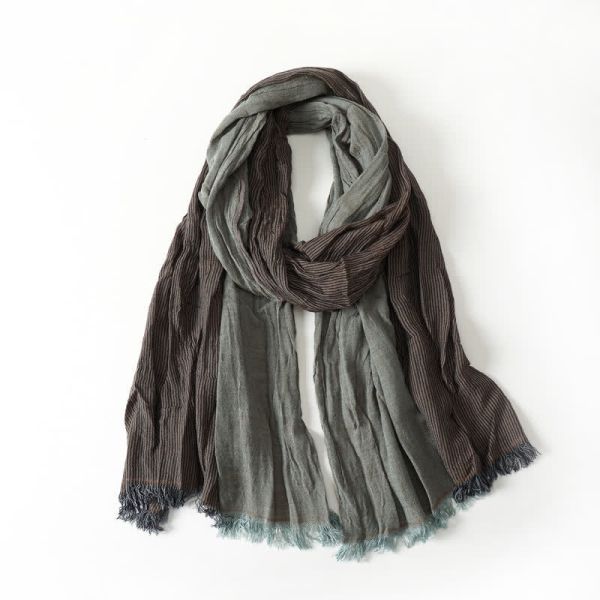 Buddha Stones Spring Fall Two Tone Olive Brown Crinkled Tassel Women's ScarfAs low as $21.59 Regular Price $29.58
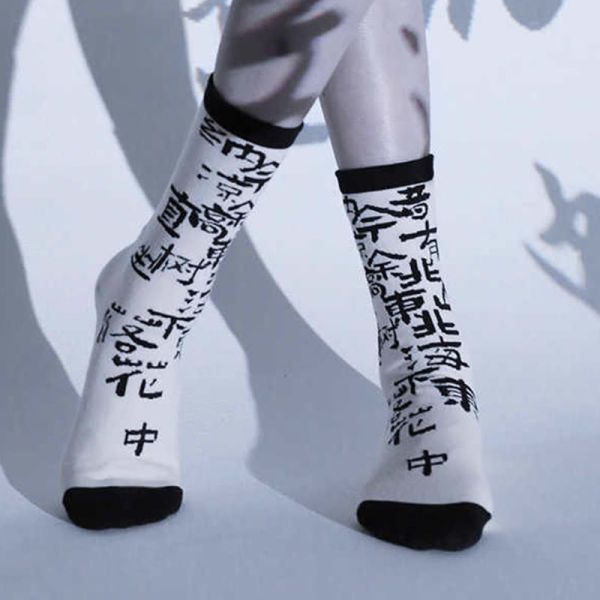 Buddha Stones Chinese Calligraphy Floral Design Micro Crew Women Cotton SocksAs low as $15.59 Regular Price $20.79