
Rosewood for Beginners: A Practical Care Manual
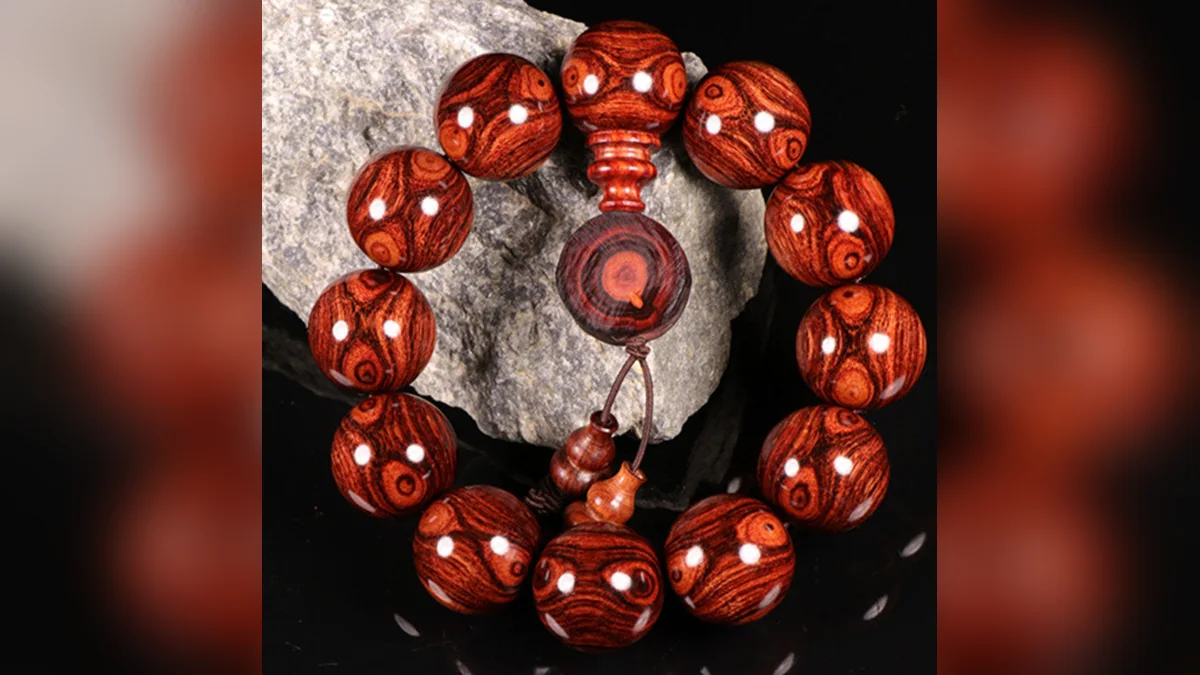
Dust can collect between rosewood beads even when the visible surfaces look clean. Our guide to rosewood for beginners covers the practical basics: what to keep nearby, how to handle and dry-clean a strand, which habits to avoid, and when wear calls for repair or retirement. Start with gentle handling and a dry cloth. There is no need to build an elaborate polishing routine.
Treat the wood, the stringing material, and any additional components as separate things to inspect. A bead can look sound while the cord needs attention. The routine below keeps those checks together without assuming that a particular finish or cord construction is present.
Rosewood for beginners: tools and materials
Set up a small care area on a clear, dry surface. A shallow tray helps contain a loose bead if a strand breaks during inspection. Keep the following items available:
- A clean, soft cloth: choose a plain cloth without polishing compounds or cleaning chemicals.
- A very soft brush: use light strokes to lift loose dust from spaces the cloth cannot reach.
- A dry fabric pouch or lined compartment: give the strand its own place so it does not rub against other jewelry.
- Good light: enough to inspect bead holes, knots, and exposed sections of cord.
Check that the cloth and brush are free of grit before starting. Keep care tools away from furniture polish and household cleaners. You do not need oil, wax, or a jewelry-cleaning solution for the dry routine described here.
A step-by-step routine for handling and storage
- Inspect before putting it on. Lay the strand in the tray and look for cracked beads, frayed fibers, loose knots, or unexpected gaps. Gently turn the beads to view the areas around their holes. Do not pull the strand taut to make hidden cord visible.
- Put it on without forcing it. Support the beads instead of tugging one bead against the cord. If an elastic bracelet requires hard pulling to pass over your hand, stop and reconsider the fit. A published size alone cannot establish how comfortably a bracelet will pass over a hand.
- Handle beads with clean, dry hands. Let lotions and other applied products dry before handling the strand. If you use beads to count recitations, move them individually with gentle finger pressure. Avoid pulling the cord through a clenched hand.
- Remove loose dust first. Take the piece off and place it on the tray. Brush lightly between beads, then wipe their accessible surfaces with the cloth. Do not press grit into the wood or force a brush into a bead hole.
- Check the strand again. Look at the cord near bead holes, where rubbing can occur. If the cloth catches on a rough edge, stop wiping that spot and inspect it. Persistent residue calls for care advice specific to the piece before trying a liquid cleaner.
- Put it away dry. Arrange the strand loosely in its pouch or compartment, without tight bends or weight pressing on it. Choose an indoor storage spot away from direct sunlight, heaters, and damp windowsills.
After accidental splashing, blot surface moisture promptly with a dry cloth. Leave the piece in a shaded, ventilated place until dry before enclosing it. Do not use a hair dryer or radiator to speed the process. Inspect the beads and stringing again before the next use.
What not to do with wood beads
Do not soak the strand. Remove it before bathing, swimming, or washing dishes. Water can reach bead holes and stringing even when the outer surface seems easy to wipe. Avoid steam cleaning and ultrasonic jewelry cleaners as well.
Do not use alcohol wipes, bleach, abrasive paste, or metal-polishing cloths. Skip household oils and scented products unless care instructions for the specific piece explicitly recommend them. An unknown finish is a reason to keep the routine simple; adding a coating can change the appearance and leave residue around holes.
Avoid scrubbing an isolated mark until its color matches the surrounding wood. Repeated friction can alter a small area more than the original mark did. Do not sand beads, enlarge their holes, or pull knots apart as a cleaning shortcut.
Take the piece off before tasks where a strand could catch or be crushed. Keep it away from incense ash, open flames, and hot teaware. Carrying it loose with keys also creates unnecessary opportunities for scratches and snagging.
When to replace a cord or retire a piece
Stop using a strand when you find visible fraying, a slipping knot, or elastic that remains stretched after removal. A cord can need replacement while the beads remain usable. Keep the piece contained and consult a jewelry repairer about restringing rather than testing how much tension it can still withstand.
A split bead, sharp edge, or damaged hole needs separate attention. Set that bead aside if the strand is being restrung. Do not hide damage under oil or polish. If the construction cannot be repaired securely, retire the piece from wear and keep it in a suitable container if you wish to retain it.
Color change alone does not establish that a bead needs replacement. Give more weight to cracks, roughness, and the condition of the stringing. Avoid declaring a piece sound solely because its outer surfaces still look smooth.
Four rosewood products: details to check before choosing
Our product specifications provide the following comparison points. Protection in these names expresses a traditional wish. It does not guarantee a particular outcome.
Warmth Bracelet (Random Type)
The Buddha Stones Tibetan Rosewood Warmth Bracelet (Random Type) has rosewood as its stated material. Its options include 6mm(108 beads), 8mm(108 beads), 10mm(108 beads), and 12mm(108 beads), along with options using larger beads and lower bead counts. Match your selection to the complete option label before ordering.
Mala Protection Calm Bracelet
The Buddha Stones Tibetan Rosewood Mala Protection Calm Bracelet combines rosewood and Bodhi Seed in its material specifications. It has 108 beads, with bead sizes given as Approx. 6mm, 7mm, 8mm, 10mm. Remember to inspect the different components during the same care session.
Protection Calm Bracelet Mala
The Buddha Stones Tibetan Rosewood Protection Calm Bracelet Mala is categorized as Bracelet, Necklace, Mala. Options are 6mm*108 Rosewood and 8mm*108 Rosewood. The specifications name rosewood, red agate, green aventurine, turquoise, and jade. Check the selected option rather than assuming its details from the item categories.
Engraving Tiger Protection Bracelet
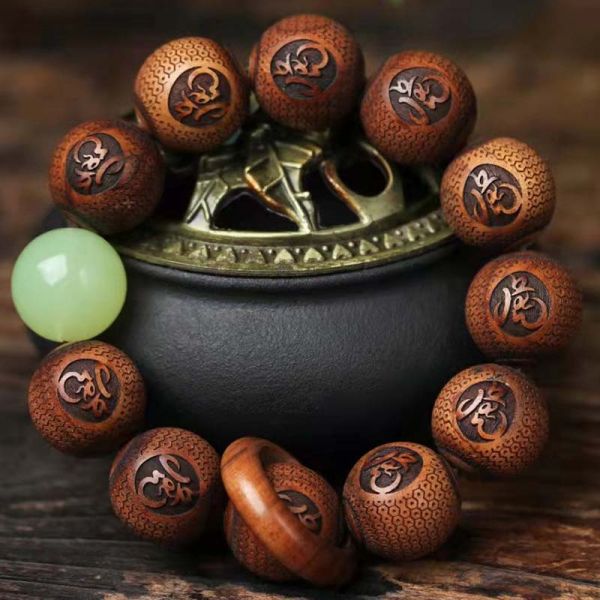
The Buddha Stones Tibetan Rosewood Engraving Tiger Protection Bracelet has 11 rosewood beads measuring 20mm (0.79 IN). The size information gives 15-20cm for wrist circumference, and the band is elastic. Pay attention to the elastic during inspections and avoid unnecessary stretching.
Leave the piece ready for its next use
A useful care habit ends with a dry strand, checked stringing, and a dedicated storage place. Keep those three checks consistent. When a mark or damaged component calls for more than gentle dry cleaning, pause and arrange suitable advice or repair before wearing the piece again.
Shop the story
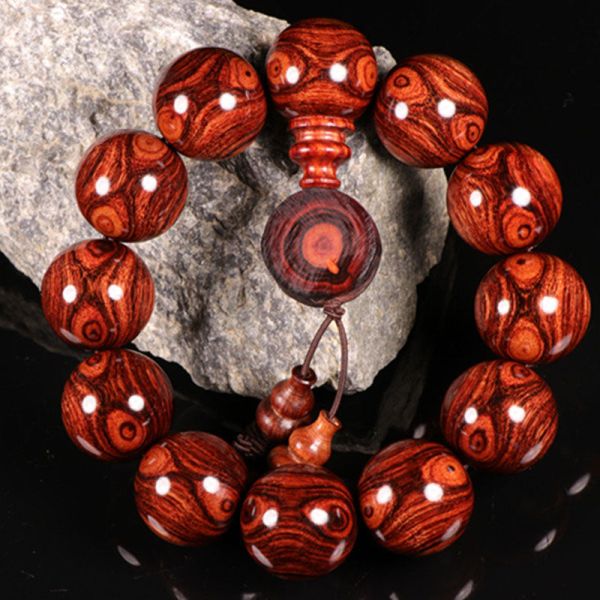 Buddha Stones Tibetan Rosewood Warmth Bracelet (Random Type)As low as $78.59 Regular Price $104.79
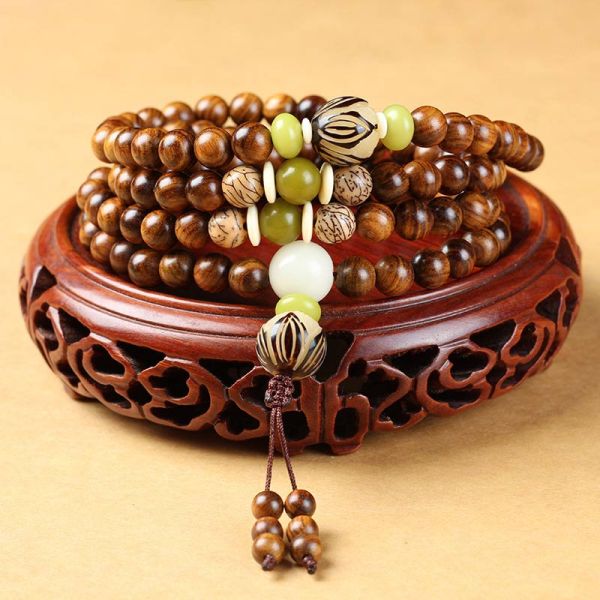 Buddha Stones Tibetan Rosewood Mala Protection Calm BraceletAs low as $33.59 Regular Price $46.65
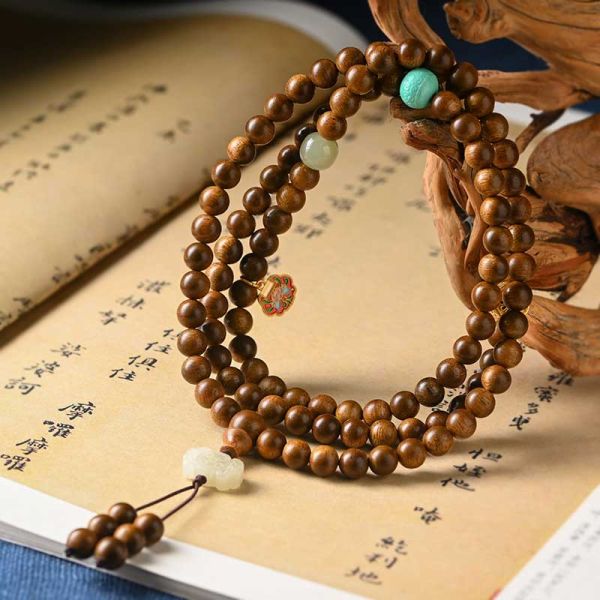 Buddha Stones Tibetan Rosewood Protection Calm Bracelet MalaAs low as $169.59 Regular Price $232.32
 Buddha Stones Tibetan Rosewood Engraving Tiger Protection BraceletSpecial Price $29.59 Regular Price $39.45