
Quartz for Beginners: Choose and Care for Your Jewelry
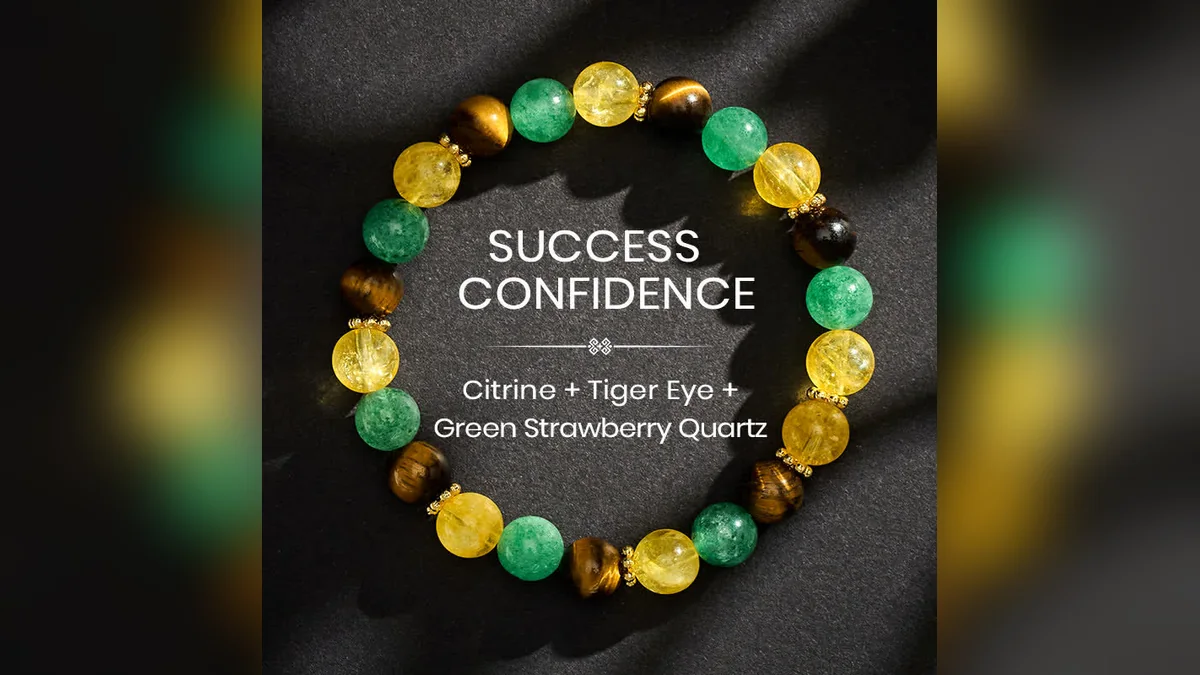
A material list is the starting point for choosing a quartz bracelet. Our guide to quartz for beginners shows you how to read that list, choose a suitable format, check the fit, inspect a piece, and establish a care routine. Start with one piece and a few clear requirements so you can compare descriptions without relying on symbolic names.
1. Set a practical goal for your first quartz piece
Decide how you intend to use the object before choosing a color. A bracelet needs to fit your wrist and suit the tasks you do while wearing it. A loose stone needs a suitable place for handling and storage. A display piece needs a stable surface where it will not roll or fall.
Write down three requirements: the format you want, the information you need before purchasing, and where you will keep it. For jewelry, include the band construction and dimensions. You do not need several varieties to begin; one well-documented piece gives you enough details to learn how product descriptions work.
2. Learn the labels: quartz for beginners
Quartz is a mineral found in several familiar varieties, including clear quartz, amethyst, rose quartz, and citrine. A bracelet with quartz in its name can also contain other materials. Read the complete specification rather than treating the title as a full inventory.
Separate three kinds of information: material names, construction details, and symbolic wording. Material names tell you what the description identifies. Construction details include the string and bead sizes. Words referring to happiness or abundance belong to naming and symbolism; they do not establish how a bracelet is made.
A photograph can help you compare the appearance of designs, but it cannot confirm an unstated treatment, material origin, or grade. Leave those details unknown when they are absent. Do not turn a product name into evidence for a claim the specifications never make.
3. Check dimensions before choosing a bracelet
Compare your wrist measurement with the product’s written circumference information. Use the units provided, and check that you are reading wrist circumference rather than total strand length. Elastic string does not mean that one bracelet fits every wrist.
Read bead size separately from fit. Bead size describes an individual component; it does not tell you how much room the bracelet leaves around your wrist. Some mixed-material designs use more than one bead size, so check the complete sequence of specifications.
If the available measurements do not answer your fit question, resolve that uncertainty before ordering. Do not estimate a bracelet’s dimensions from a close-up photo or assume two similarly photographed designs have the same sizing.
4. Inspect the piece before putting it on
Use an uncluttered surface and ordinary room lighting. Compare the piece with its description, looking at the named materials, overall arrangement, and any variation note. Treat visual inspection as a condition check, not a method of proving mineral identity.
Look for loose components, sharp edges, visible chips, or exposed string that appears damaged. Avoid pulling the band hard to test it. If something seems wrong, keep the piece aside while you clarify the concern. Do not perform scratch tests or apply household chemicals to identify a bead.
5. Build a care routine around the complete piece
Choose care methods for the bracelet’s full material combination. Advice for a loose quartz stone may not suit a piece containing pearl, metal, or elastic string. Begin with a clean, dry cloth and wipe accessible surfaces gently without tugging the band.
Unless instructions for that specific item permit them, skip soaking, salt, chemical cleaners, steam, and ultrasonic equipment. Remove jewelry before washing or doing tasks that could catch the string. Handle a bracelet over a surface where it can be retrieved easily if dropped.
Keep it in its own compartment or pouch so beads and fittings do not rub against other jewelry. Choose a dry storage spot away from direct sunlight. A short written record of the product name and care directions can prevent confusion if you add another piece later.
Mistakes to avoid during your first purchase
- Choosing by a symbolic word alone. Read the materials and sizing before deciding.
- Assuming the whole bracelet is quartz. Check for additional stones, pearl, and metal components.
- Copying a care ritual without checking materials. Salt or soaking should not replace item-specific instructions.
- Expecting an exact photographic match. Read any variation information supplied for the particular piece.
- Buying several pieces before resolving fit. Establish what measurements you need first.
Our quartz bracelet options and their stated details
Use these details to compare four bracelet designs. Names referring to luck, abundance, or love express traditional wishes and do not guarantee those results. Choose by the documented materials, construction, and dimensions.
Citrine, tiger eye, and green strawberry quartz
Our Citrine Tiger Eye Green Strawberry Quartz Beads Happiness Bracelet contains Citrine, Tiger Eye, Green Strawberry Quartz, and Copper. It uses Premium Elastic String and 8mm beads. Wrist Circumference: 5.9–6.3 in (15–16 cm). The package includes 1 × Bracelet. Slight differences in color, details, and overall appearance may occur because of the natural materials.
White cat’s eye, moonstone black, and rutilated quartz
The White Cat’s Eye Moonstone Black Rutilated Quartz Beads Abundance Bracelet has a material specification of White Cat’s Eye, Moonstone Black, Rutilated Quartz, and Copper. Its band is Premium Elastic String, and its beads are 8mm. Wrist Circumference: 5.9–6.3 in (15–16 cm). Included: 1 × Bracelet. Its natural materials may show slight variations in color, details, and overall appearance.
Pearl and strawberry quartz with PiXiu
Our Natural Pearl Strawberry Quartz PiXiu Optimism Charm Bracelet specifies Pearl and Strawberry Quartz as its materials. It uses premium elastic string and 8mm beads. Wrist Circumference: 14-19cm. Compare that measurement directly with your requirements rather than assuming it shares the sizing of the other designs.
Rose quartz in a mixed-material clover bracelet
The Prehnite Rose Quartz Blue Chalcedony Lucky Clover Love Bracelet combines Rose Quartz, Blue Chalcedony, Prehnite, White Cat’s Eye, Fluorite, and Copper Alloy. The band is Premium Elastic String. Wrist Circumference: 5.5–5.9 in (14–15 cm). Bead sizes are 8mm Rose Quartz, 8mm Blue Chalcedony, 8mm Prehnite, 8mm Fluorite, and 4mm White Cat’s Eye. The package contains 1 × Bracelet. Natural materials can produce slight differences in color, details, and overall appearance.
Keep your first choice straightforward
A useful approach to quartz for beginners starts with readable specifications and ends with a workable care routine. Choose one piece whose materials and measurements you understand, keep its details, and check its condition before wearing it. Let those practical steps guide your next choice.
Shop the story
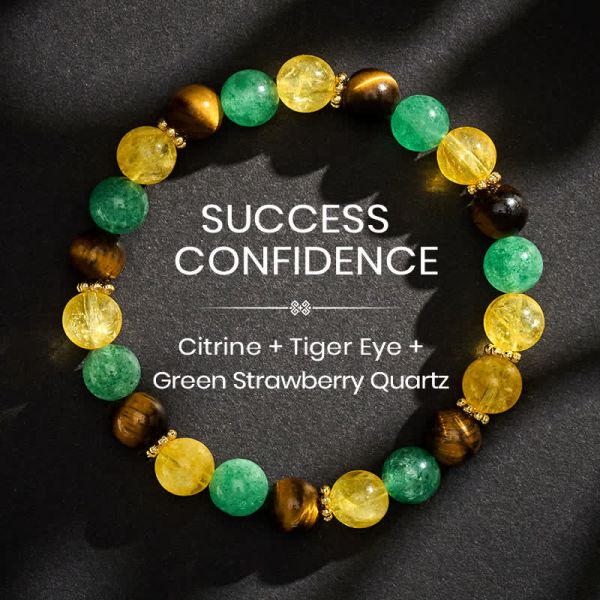 Buddha Stones Citrine Tiger Eye Green Strawberry Quartz Beads Happiness BraceletSpecial Price $25.59 Regular Price $34.12
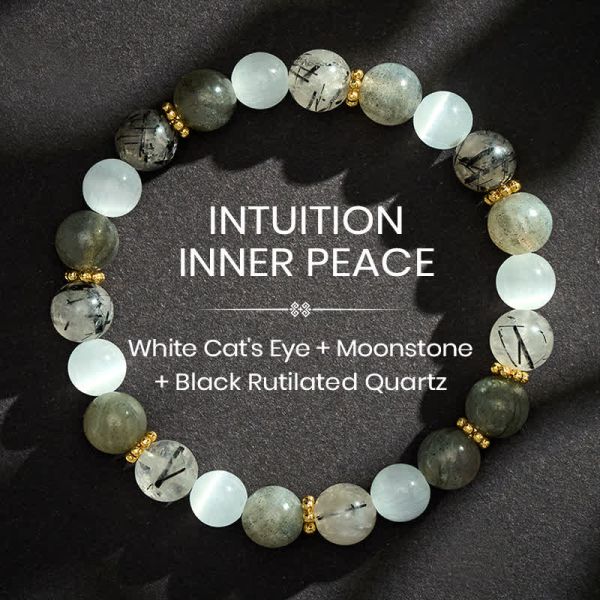 Buddha Stones White Cat's Eye Moonstone Black Rutilated Quartz Beads Abundance BraceletSpecial Price $25.59 Regular Price $34.58
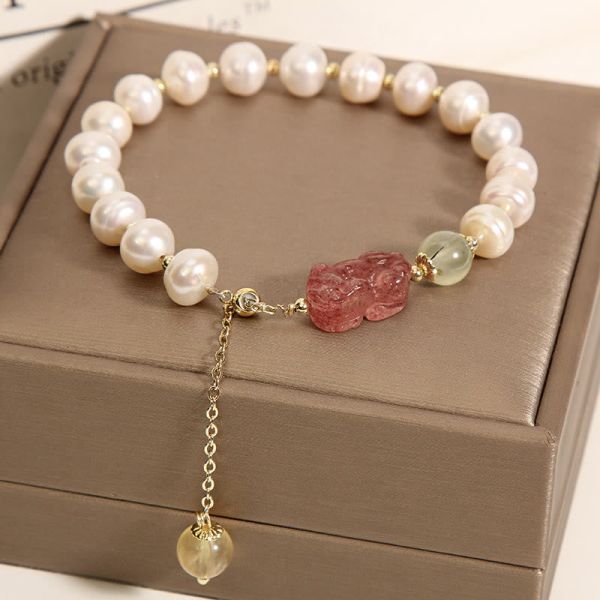 Buddha Stones Natural Pearl Strawberry Quartz PiXiu Optimism Charm BraceletSpecial Price $28.59 Regular Price $39.71
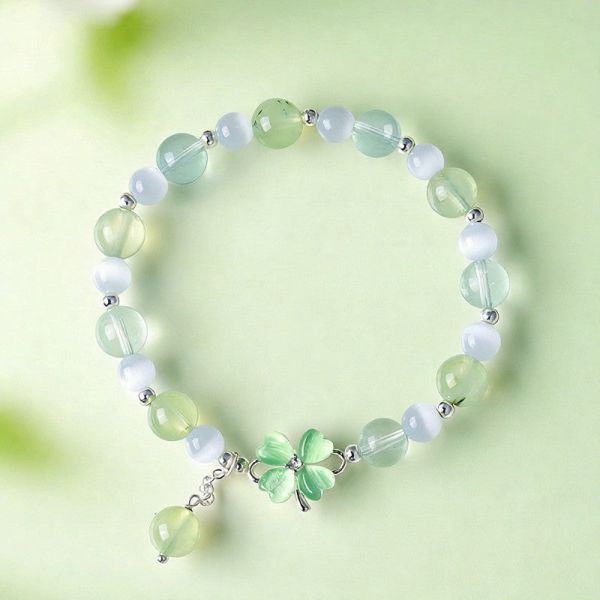 Buddha Stones Prehnite Rose Quartz Blue Chalcedony Lucky Clover Love BraceletAs low as $25.59 Regular Price $35.05