
Elephant for Beginners: Choosing a Practical Purse
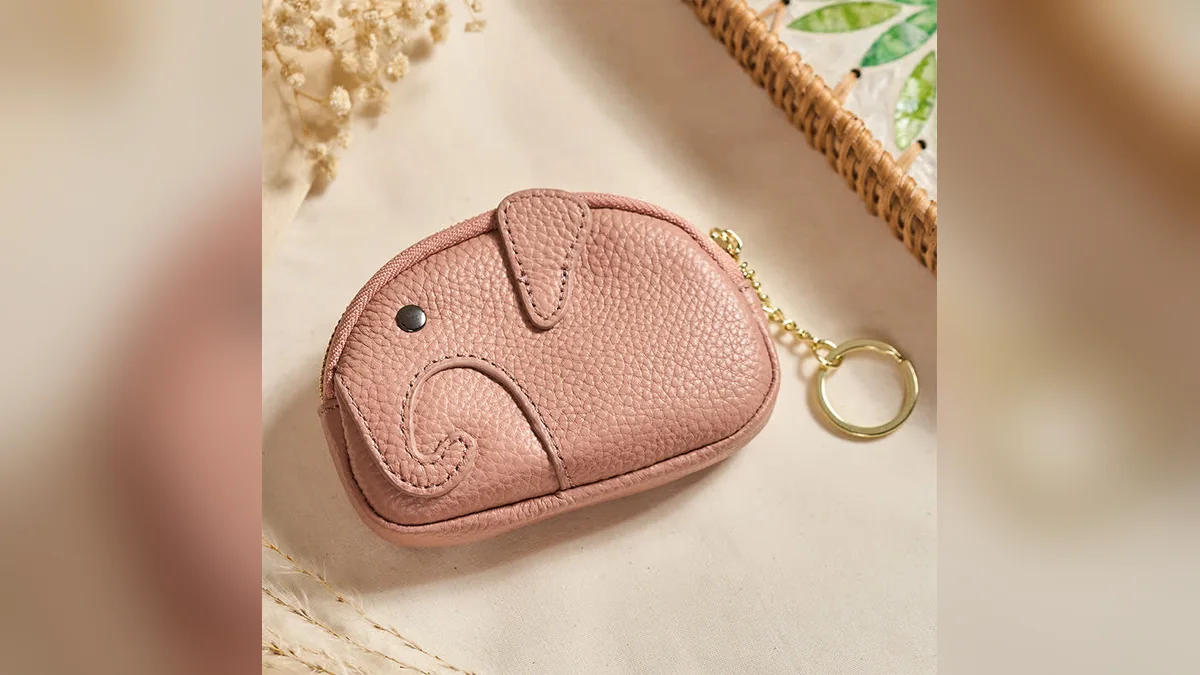
A purse can fit across a pocket opening yet still be too deep for the pocket to close. That makes dimensions and construction useful starting points when shopping for an elephant design. The motif may catch your eye, but the bag still needs to suit what you carry.
Our elephant for beginners guide explains how to choose an elephant-themed purse by material, size, interior, closure, and strap arrangement. We focus on everyday carrying decisions, with four Buddha Stones options to compare once you have narrowed your requirements.
Start with these questions
- What needs to go inside? Make a short list of essentials, such as coins, cards, folded bills, or keys. Decide which items need separate spaces.
- Where will the purse go? Check the pocket or larger bag that will hold it, including the opening and available depth.
- How will you carry it? Choose between a detachable handle, a fixed wristlet arrangement, or a purse without a strap.
- Which closure suits your routine? Compare a zipper opening with a snap-button trifold, paying attention to how you access the interior.
- What matters visually? Choose a color or pattern after deciding on the dimensions and organization you need.
Read the material description before choosing
The options below include PU leather, polyester, and a combination of PU leather and cotton polyester. Start with those stated materials rather than assuming that similar elephant designs have the same construction. The word “leather” within “PU leather” should not be shortened when comparing descriptions; keep the complete material name in your notes.
A material label alone does not establish how a purse will feel, how much it will hold, or whether it can be washed. Those are separate questions. For shopping purposes, record the material alongside the closure and interior structure. This keeps an appealing color from becoming the only reason for choosing a bag that may not suit your routine.
Check dimensions against your actual carrying space
Measure the usable space inside your pocket or bag, then check its opening separately. An opening can be narrower than the space behind it. Allow room to insert and remove the purse without forcing it, especially if the surrounding compartment already holds other belongings. A close numerical match leaves little room for everyday handling.
A paper outline can help you compare the stated dimensions with your available space. Treat it as a rough planning aid: paper does not represent seams, closure access, or a loaded bag. Where a product provides three dimensions, consider all three. Where only two are supplied, do not estimate the missing depth from a photograph.
The dimensions below are approximate exterior measurements, not a promise of usable interior capacity. Check the size of your essentials separately, and avoid assuming that a phone, passport, or particular card holder will fit.
Choose the interior and closure together
An open interior gives you one shared space. Before choosing that arrangement, consider whether you want coins and other small belongings together. Multiple compartments offer separate spaces, but the description alone does not establish a specific card count or identify a dedicated place for every item. Do not infer those details.
Handle descriptions also answer different questions. Detachable tells you that a handle can be removed; non-detachable tells you it remains attached. Non-adjustable describes adjustment, not removability. If wrist fit matters, do not treat the bag dimensions as a strap measurement. No strap circumference is supplied for the options below.
Care for the surface and the closure
Keep these bags away from water and sharp objects, as directed in our product care notes. Avoid putting exposed key points against the surface. When packing, leave enough space for the zipper or snap to close without pressure from the contents. If something catches, reopen the bag and rearrange it.
For routine surface dust, begin gently with a dry, soft cloth. Do not assume that a polyester item is machine washable or that a PU leather item accepts treatments intended for other leather goods. Avoid soaking, harsh scrubbing, and direct heat. Empty the purse before putting it away, and leave the closure free of trapped fabric or loose debris.
Elephant for beginners: four purses to compare
Use your answers above to choose a starting point. The practical differences here are dimensions, materials, closure, interior structure, and handle arrangement.
For a removable handle: Our Elephant Wisdom Mini Zipper Purse is PU leather with a zipper closure, detachable strap/handle, and open interior. Its size is Approx. 12.5 cm × 2 cm × 8.5 cm. Consider this option when removing the handle is part of your carrying plan. Color options include Black, DarkGreen, DarkOrange, DarkRed, Gold, LightPink, LightSteelBlue, and WhiteSmoke; choose the color after checking the dimensions.
For a handle that stays attached: Our PU Leather Lucky Elephant Wristlet Wallet has a non-detachable strap/handle, zipper closure, and open interior. The material is PU leather, and the size is Approx. 10 cm × 3 cm × 8 cm. Its options are BurlyWood, Chocolate, Linen, and SteelBlue. Compare its stated depth with the space available in your pocket or larger bag.
For carrying inside another bag: Our Blue White Elephant Luck Bohemian Zip Purse is polyester with a zipper closure and open interior. It has no strap or handle. Its size is Approx. 11.3 cm × 9.3 cm; no depth measurement is supplied. Consider this option if you do not need an attached carrying loop, while keeping the missing depth measurement in mind when assessing fit.
For separate interior spaces: Our PU Leather Elephant Trifold Compact Purse has multiple compartments and a snap-button closure. Its materials are PU leather and cotton polyester. The size is Approx. 13.5 cm × 3 cm × 9.5 cm, and the strap/handle is non-adjustable. Choose it for consideration when compartment separation matters, without assuming a particular number of card slots or compartments.
FAQ
Do I need to follow symbolic rules to choose an elephant purse?
You can choose an elephant motif simply because you like the design. Some traditions associate elephants with wisdom or strength, but those associations do not determine pocket fit, capacity, or closure preference. This buying decision can begin with your carrying needs.
What do Luck and Lucky mean in the product names?
These words express traditional wishes associated with the motif. They are not guarantees of good fortune or other results. We keep symbolic language separate from practical specifications: a name does not tell you the material, dimensions, or interior arrangement.
How should I decide between two similar options?
Return to the requirement that would be hardest to compromise on: available space, handle attachment, or interior organization. Eliminate any option that conflicts with that requirement. If both remain suitable, compare the closure and your preferred color or pattern. Keep your measurements beside the product details so the final choice rests on information you can check.
Shop the story
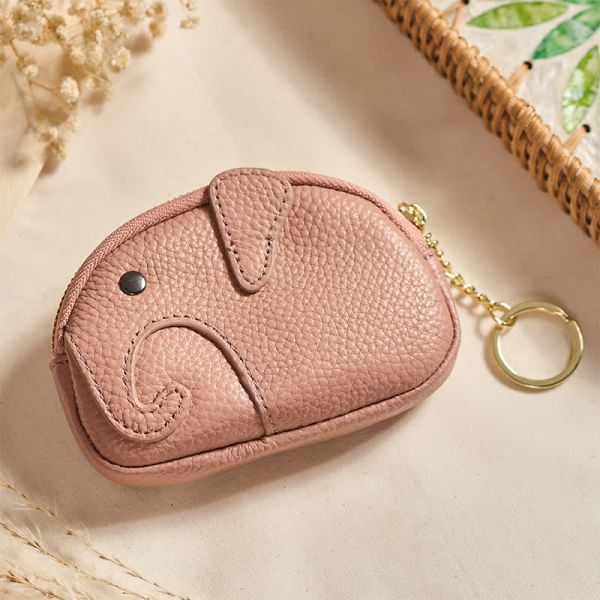 Buddha Stones PU Leather Elephant Wisdom Mini Zipper PurseAs low as $22.59 Regular Price $31.38
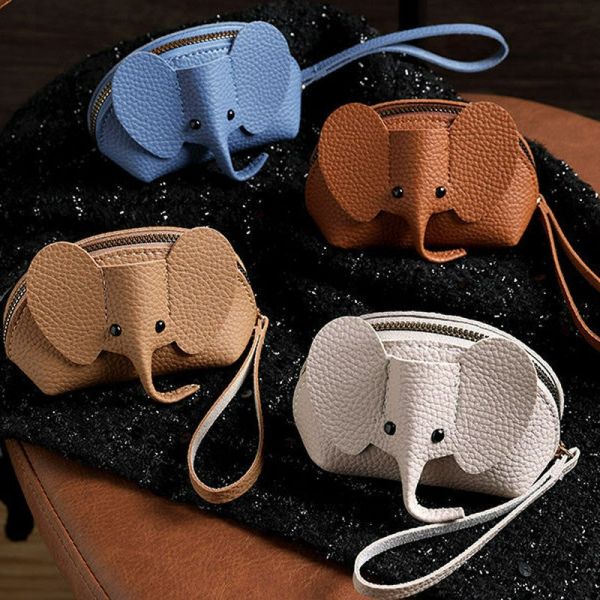 Buddha Stones PU Leather Lucky Elephant Wristlet WalletAs low as $13.59 Regular Price $18.62
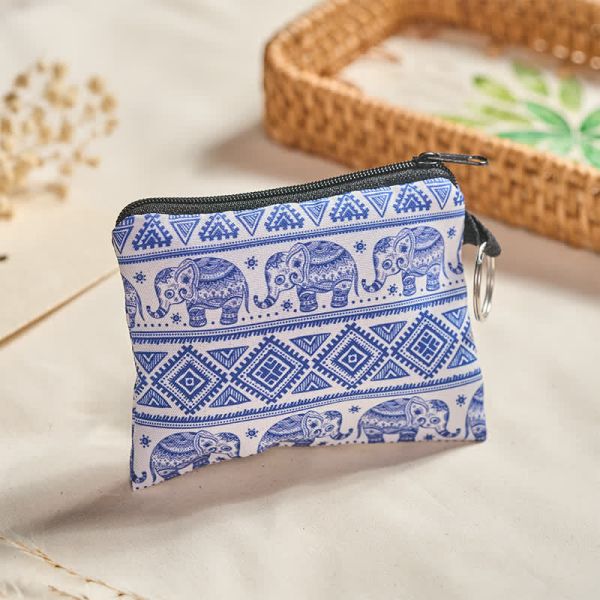 Buddha Stones Blue White Elephant Luck Bohemian Zip PurseSpecial Price $13.59 Regular Price $18.12
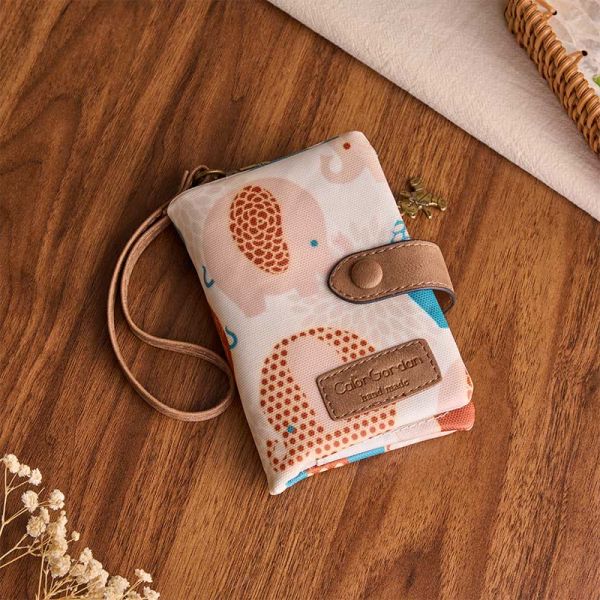 Buddha Stones PU Leather Elephant Trifold Compact PurseSpecial Price $22.59 Regular Price $30.53