
Bamboo for Beginners: Handle and Bag Care Manual
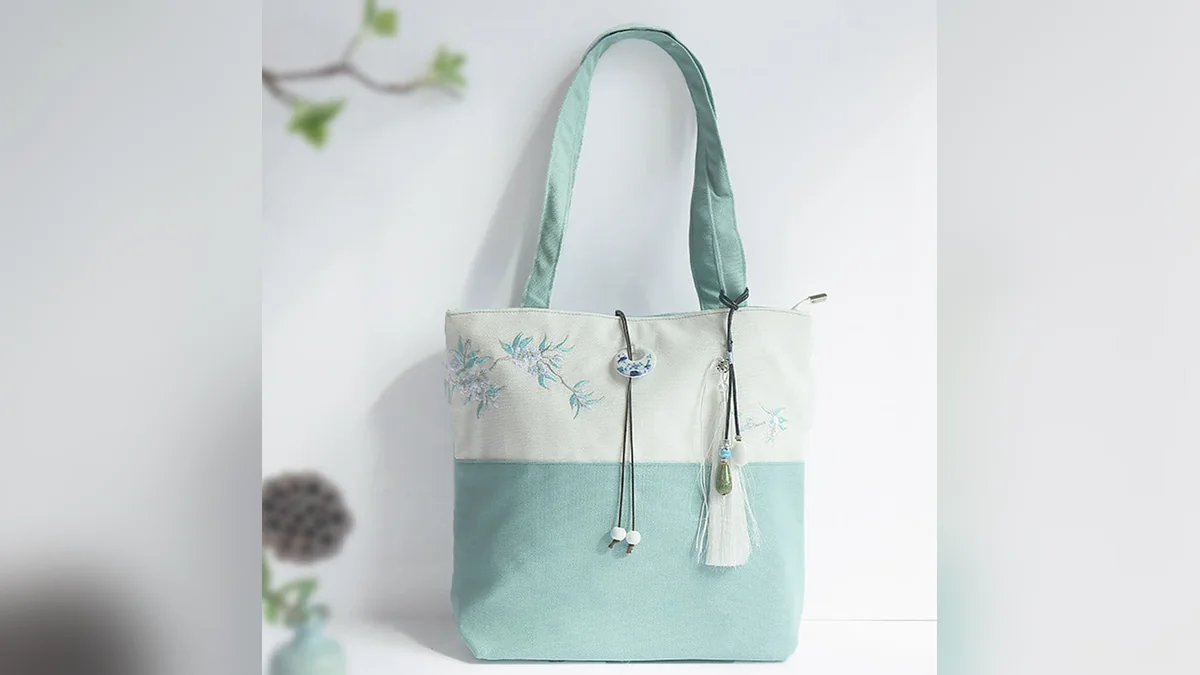
Dust gathers where a bag handle meets its fittings. Our bamboo for beginners manual explains how to identify materials, remove loose dirt, check the parts that carry weight, and store a bag without bending or trapping moisture. This manual covers bamboo handles alongside bags with bamboo motifs. A bamboo pattern does not establish that a bag contains bamboo; use the material description to choose your care method.
At Buddha Stones, we recommend checking any care label before cleaning. Mixed materials need separate attention: a method suitable for fabric may be unsuitable for a handle, lining, or metal fitting.
Bamboo for beginners: tools and care materials
Set the empty bag on a clean, dry surface with enough room to lay its straps beside it. Good lighting helps you see loose threads, dirt around attachments, and changes in the handle surface. Keep the initial kit simple:
- A soft, dry, lint-free cloth for accessible surfaces.
- A soft brush for lifting loose dust from seams and recesses.
- A separate clean cloth for lining and pocket interiors.
- Plain, unprinted tissue for lightly supporting a bag during storage.
Leave cleaning liquids aside until you have checked the instructions for the specific piece. Our Vintage Bamboo Magpie, Wooden Beads Bamboo Handle, and Green Plants Mountains bags carry directions against washing, bleaching, and ironing. The supplied facts do not establish a washing method for the canvas tote, so do not assume it can go in a washing machine.
A repeatable routine from emptying to storage
- Empty and separate. Remove everything from the main compartment and pockets. Open the closure gently, keeping the bag supported underneath. Check for uncapped pens, food crumbs, or a leaking container before moving debris across the lining. Lift out loose items instead of shaking a structured bag by its handle.
- Inspect before rubbing. Look at the handle, strap attachments, seams, and closure. If you see a raised splinter, crack, loose bead, or separating attachment, pause cleaning around that area. Rubbing can catch on damage. Keep track of where the problem sits so that a repair professional can examine it.
- Remove loose dirt. Brush lightly toward an opening, then collect the dust with a cloth. Work around embroidery and threads without pulling them. Wipe an accessible handle with the dry cloth, turning to a clean section as needed. Avoid pushing brush bristles beneath a loose fitting or into a gap that appears damaged.
- Address marks cautiously. Follow the care label before introducing moisture or a cleaner. If it expressly permits spot cleaning, test the permitted method on a concealed area and let it dry before proceeding. Stop if color transfers, a surface becomes tacky, or the texture changes. For a piece marked against washing with no spot-cleaning instructions, seek material-specific advice for persistent stains.
- Check movement without force. Operate a zipper or buckle with the compartment empty and the surrounding fabric clear. If it catches, stop and look for trapped lining or a caught thread. Do not keep pulling to force it past resistance. Inspect strap connections visually; a forceful tug is not a useful maintenance test.
- Rest and store. Put the bag away only when it is dry. Support its shape lightly with tissue without stretching seams. Lay a chain or strap so it does not press against embroidery or a handle. Choose a dry shelf away from direct sunlight and heaters, and leave room around the bag instead of compressing it between other objects.
Before carrying it again, check that the closure works and the attachments show no separation. Pack only what fits without forcing the opening shut. Because no load limits are supplied for these bags, avoid assigning a weight capacity from their dimensions or appearance.
Habits that can make small problems worse
Do not treat a bamboo motif as a care instruction. Printed or embroidered imagery tells you about a design, while the fabric, lining, hardware, and any handle material determine which cleaning steps are appropriate. Likewise, a product name alone cannot identify the composition of every component.
- No soaking or improvised wash cycle. Follow the piece’s stated care directions, including restrictions on washing.
- No household polishing experiments. Skip furniture sprays, cooking oils, abrasive powders, and solvent cleaners when compatibility is unknown.
- No heat shortcuts. Avoid hair dryers, radiators, and ironing to hurry drying or reshape a handle.
- No loaded hanging storage. Empty the bag and support its body instead of leaving its contents pulling on straps.
If rain wets a bag, blot accessible moisture gently and empty it. Allow it to dry with air circulating at room temperature. Do not scrub a wet motif or close a damp bag inside a storage cover.
When to repair, replace, or retire a piece
A dusty seam or removable surface mark calls for care, not automatic replacement. Structural damage deserves a different response. Stop carrying the bag if a handle has a sharp split, a strap attachment is separating, or loose components could detach. Set aside any bag whose closure can no longer hold its contents as intended.
Ask a qualified bag repair professional to assess damaged stitching, hardware, or handle connections. Do not sand a finished handle or apply glue without knowing the construction and finish. A repair that merely conceals a crack may leave the underlying problem unresolved.
If repair is impractical, retire the piece from carrying duties. An intact compartment may serve as stationary storage for lightweight items, provided damaged edges and loose parts are addressed. Do not pass along a damaged bag without explaining its condition.
Four Buddha Stones bags and their stated details
Canvas tote with floral and bamboo options
Our Pear Flower and Bamboo Embroidery Canvas Tote has canvas fabric, polyester, and a nylon zipper. Blue White Plum Bamboo is one option. Its internal structure includes one main pocket, one zipper interior pocket, two pockets, and one back zipper pocket. The straps are non-adjustable, with a stated strap length of 27cm.
Vintage bag with a buckle closure
The Vintage Bamboo Magpie Shoulder Bag comes in options including Purple Bamboo Magpie and Yellow Bamboo Magpie. Materials include cotton linen, cotton, polyester, leather, metal, and tassels, with polyester lining. It has one main pocket, one interior zipper pocket, a buckle closure, and a non-adjustable strap.
Wooden beads and an interior bag
The Hand-woven Wooden Beads Bamboo Handle Bag specifies wooden beads and polyester cotton as its materials. Black, Brown, Ivory, and Yellow options are available. It has one main pocket, one interior bag, a strap closure, and a non-adjustable strap. Handle height is 12.5cm, and weight is about 550g.
Bamboo handle with a metal chain
Our Green Plants Mountains Bamboo Handle Crossbody Bag specifies polyester, bamboo, metal, and metal chain, with polyester lining. Green and Orange options are available. Its internal structure is one main pocket and one interior pocket. The bag has a buckle closure and a non-adjustable strap.
Finish with a brief condition check
Keep the routine tied to what you can see: loose dust, trapped lining, strained seams, and changes around attachments. Start with gentle dry care, follow the instructions for the particular bag, and seek repair advice when a carrying part changes. A quick inspection before packing helps you decide whether a piece is ready to use or needs attention first.
Shop the story
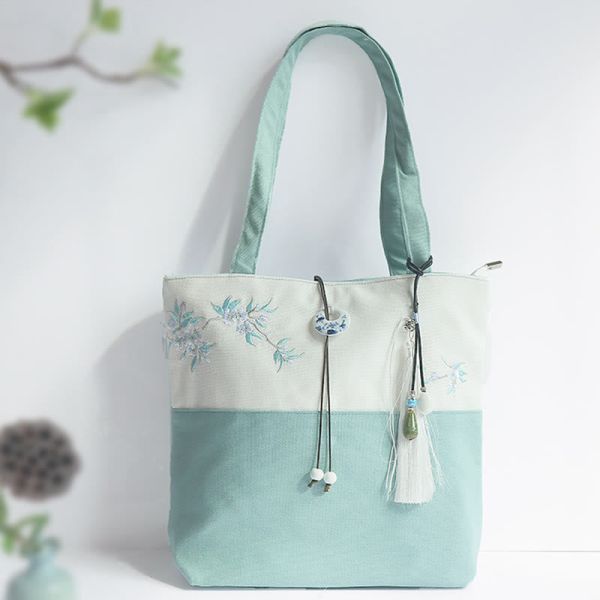 Buddha Stones Pear Flower Plum Peach Blossom Bamboo Embroidery Canvas Large Capacity Shoulder Bag Tote BagAs low as $46.59 Regular Price $65.62
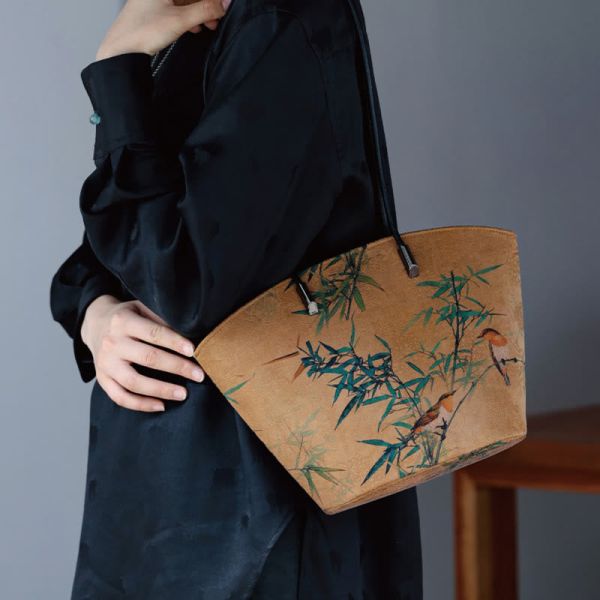 Buddha Stones Vintage Bamboo Magpie Peony Butterfly Large Capacity Shoulder Bag HandbagAs low as $189.59 Regular Price $263.32
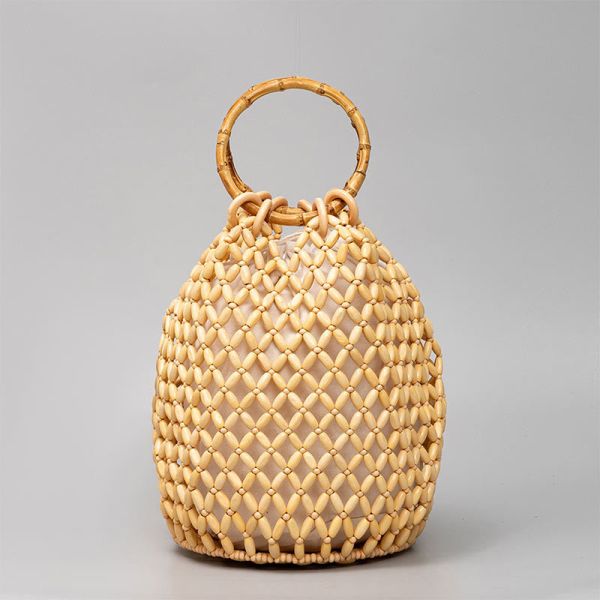 Buddha Stones Hand-woven Wooden Beads Bamboo Handle Shoulder Bag HandbagAs low as $62.59 Regular Price $83.45
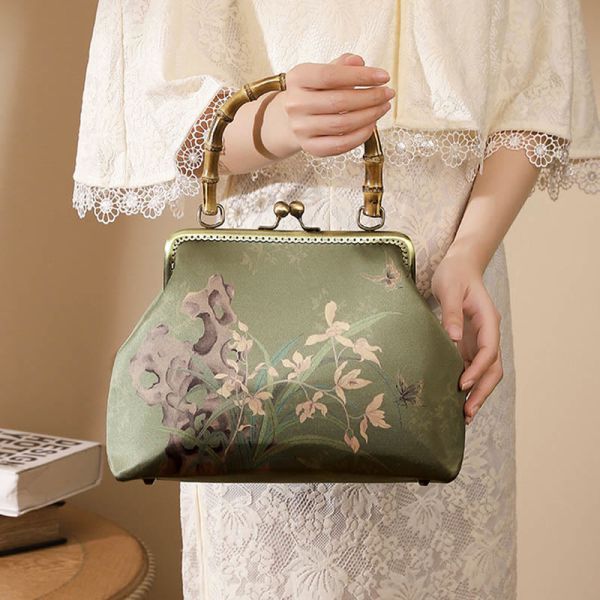 Buddha Stones Green Plants Mountains Bamboo Handle Metal Chain Crossbody Bag HandbagsAs low as $54.59 Regular Price $72.79