
Agate for Beginners: A Practical Care and Use Manual
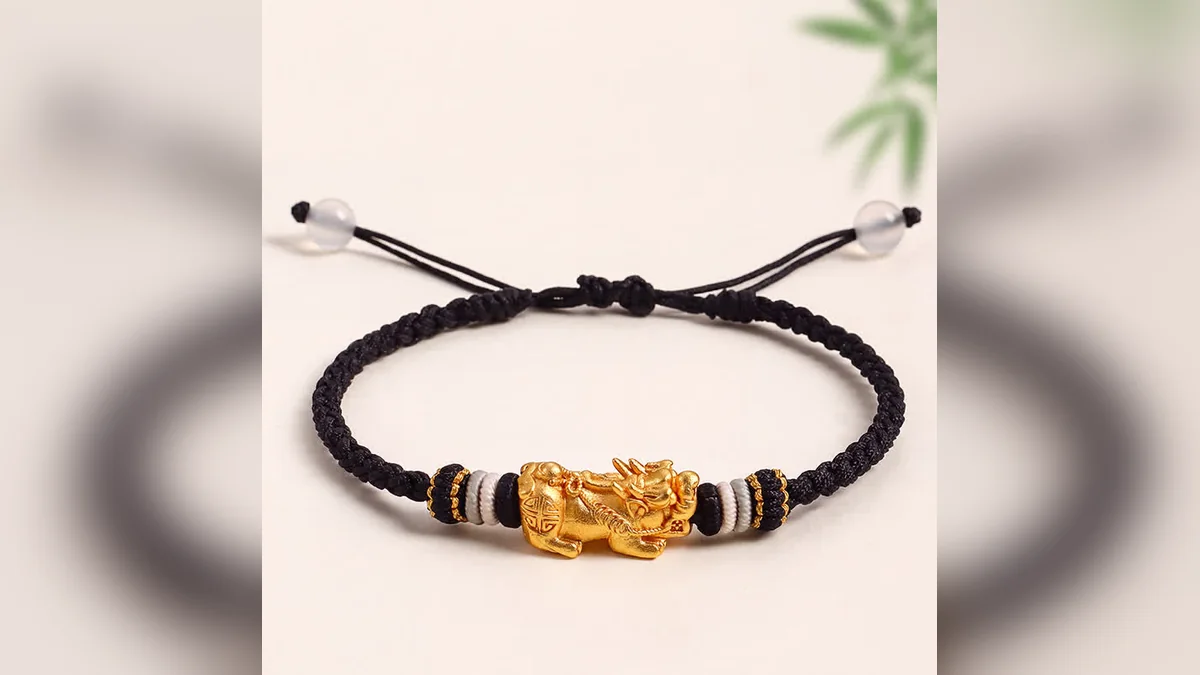
Dust and lotion can leave a dull film on agate beads. This guide to agate for beginners explains how to wear, clean, inspect, and put away an agate bracelet while caring for its cord, elastic, and other materials. The aim is a repeatable routine: remove surface residue gently, avoid unnecessary soaking, and notice wear before a strand fails. At Buddha Stones, we recommend looking at the complete bracelet before choosing a cleaning method.
Tools and materials for gentle bracelet care
Prepare a small work area before taking off your jewelry. A clear surface makes it easier to spot a loose bead or a damaged knot, and a folded towel keeps the bracelet from rolling away.
- A clean, lint-free cloth for routine wiping.
- A second cloth that you can dampen lightly with lukewarm water.
- A dry towel for supporting the bracelet during cleaning.
- A separate pouch or compartment for storage.
- Good light for checking bead holes, knots, and string.
Start with water and gentle wiping. If a mark will not lift, check care guidance for the complete piece before adding any cleaner. A method suitable for an agate bead may be unsuitable for a cord or another component.
Agate for beginners: a step-by-step routine
- Inspect before putting it on. Lay the bracelet on the towel and look along the strand. Check for fuzzy cord, exposed elastic, loose knots, and chips around bead holes. Compare any unfamiliar mark with the surrounding surface. Color variation alone does not establish damage; an edge that catches the cloth deserves closer attention.
- Open the band using its intended adjustment. Loosen an adjustable cord enough to pass over your hand without forcing it. For elastic string, ease the bracelet over your hand with only the stretch needed. Avoid pulling it outward into a long loop. Hold the band when adjusting it instead of tugging on a decorative element.
- Keep it clear of wet and messy tasks. Put on the bracelet after lotions or other applied products have dried. Remove it before washing, swimming, cleaning, or work that could knock the beads against hard surfaces. Set it in a designated dry place so that taking it off does not leave it beside a wet sink.
- Wipe after wear. Support the bracelet on the towel and pass the dry cloth over the beads. Turn the strand gently to reach the other side. If residue remains, use the lightly dampened cloth on the affected bead surfaces. Work around knots and metal rather than saturating the entire bracelet. Do not pull the strand tight to reach between beads.
- Remove moisture before storage. Blot with the dry cloth, then leave the bracelet on a dry surface until no dampness remains. Pay attention to spaces between beads and around knots. Avoid speeding the process with a hair dryer or radiator. Keep the bracelet away from direct heat while it dries.
- Put it away without tension. Rest the bracelet loosely in its compartment or pouch. Keep it apart from items that could scrape the beads or snag the band. Do not hang an elastic bracelet under its own weight or leave an adjustable cord pulled tight around a display support.
Repeat the inspection whenever the bracelet catches on clothing or takes a knock. Cleaning should respond to visible residue, not a fixed schedule that encourages unnecessary wetting. A quick dry wipe is a useful starting point; more effort is not automatically better care.
What not to do during cleaning and wear
Do not soak a mixed-material bracelet. Bead holes, knots, elastic, and metal complicate cleaning even when the bead surfaces look straightforward. Avoid leaving the piece in a bowl of water or wearing it in the shower.
Skip toothpaste, abrasive powders, scouring pads, and stiff brushes. Do not scrape a stubborn deposit with a pin or knife. Household cleaners and metal dips should not be applied across a bracelet simply because one of its components is metal. Steam and ultrasonic cleaning also require material-specific advice; they are not routine beginner steps.
Avoid testing a bead by scratching it, heating it, or dropping it. These actions can damage the piece without settling questions about its identity. If you need identification or help with persistent discoloration, take the bracelet to a jeweler rather than escalating the cleaning method.
When to replace a band or retire a piece
Stop wearing a bracelet when a knot repeatedly slips, a cord begins to separate, or elastic remains stretched after removal. A band that no longer holds the beads securely needs attention before further use. Keep the bracelet in a pouch and ask a jeweler about restringing or cord replacement.
A cracked bead, a sharp chip, or damage around a threading hole also calls for inspection. Do not hide the defect beneath a knot or keep tightening the bracelet to hold a damaged section together. Replacement of a component may be possible; extensive damage may make retirement more practical.
A surface scuff or a color difference is a separate question from structural wear. Look for changes in edges, holes, and the band before deciding. A retired bracelet can remain in a keepsake box without needing to return to daily use.
Our agate bracelets and their care considerations
Choose by the specified band and fit as well as appearance. The following product details identify the materials you need to consider when applying the routine.
White agate with copper and an adjustable cord
Our White Agate Copper Pi Xiu Hand-Woven Bracelet combines string, white agate, and copper. It has an adjustable cord for a wrist circumference of 5.9–7.5 in (15–19 cm), with Black and Brown options. Keep cleaning focused on the area that needs it rather than soaking the cord and copper together. The auspicious wording in its full name expresses a traditional wish. Luck cannot be guaranteed by a bracelet.
Floral drop design with premium elastic string
The Elegant White Chalcedony Black Agate Floral Drop Bracelet uses Premium Elastic String, with 8mm beads and a wrist circumference of 5.9–6.3 in (15–16 cm). Options include Black Onyx, Red Agate, and Yellow Agate. The specifications name white chalcedony, black agate, jade, red agate, and yellow agate. Confirm your selected option before choosing material-specific care, and avoid overstretching the string.
Indian agate with copper alloy
The Natural Indian Agate Braided Balance Bead Bracelet pairs Indian agate with copper alloy and uses an adjustable cord. Its wrist circumference is 6.3-6.7 in (16-17 cm). Loosen the adjustment before removal, and inspect the cord during routine wiping. Slight differences in color, details, and overall appearance are noted for this gemstone piece.
Black and white fire agate on string
Our Black and White Fire Agate String Balance Bracelet has string and black and white fire agate, with an adjustable cord and a wrist circumference of 5.9–8.2 in (15–21 cm). Check the adjustment before wear and let any damp string dry before putting it away. Its natural materials may vary slightly in color, details, and overall appearance.
Keep the routine easy to repeat
Leave a clean cloth near your jewelry storage and give the band a brief inspection whenever you take the bracelet off. Handle adjustments gently, use only as much moisture as needed, and set aside a piece when its structure changes. These small habits make care manageable and keep repair decisions tied to visible wear.
Shop the story
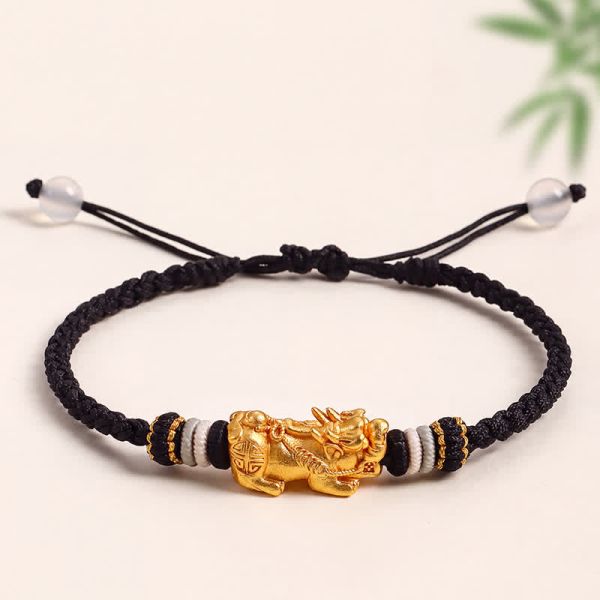 Buddha Stones White Agate Copper Pi Xiu Auspicioisness Hand-Woven BraceletAs low as $25.59 Regular Price $34.58
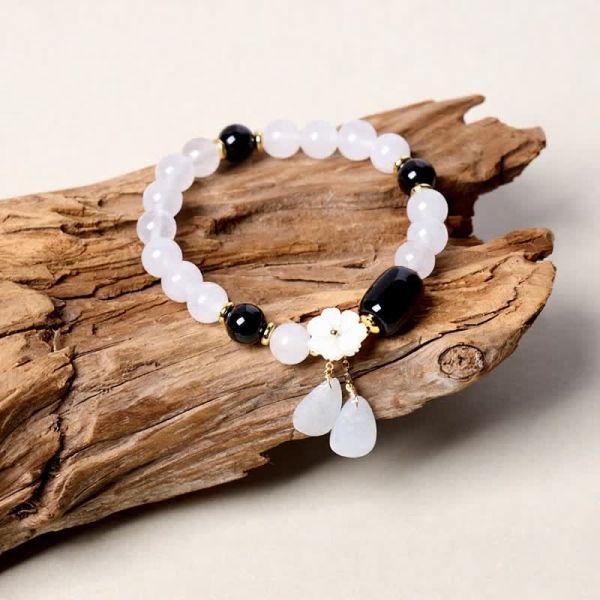 Buddha Stones Elegant White Chalcedony Black Agate Floral Drop BraceletAs low as $25.59 Regular Price $34.58
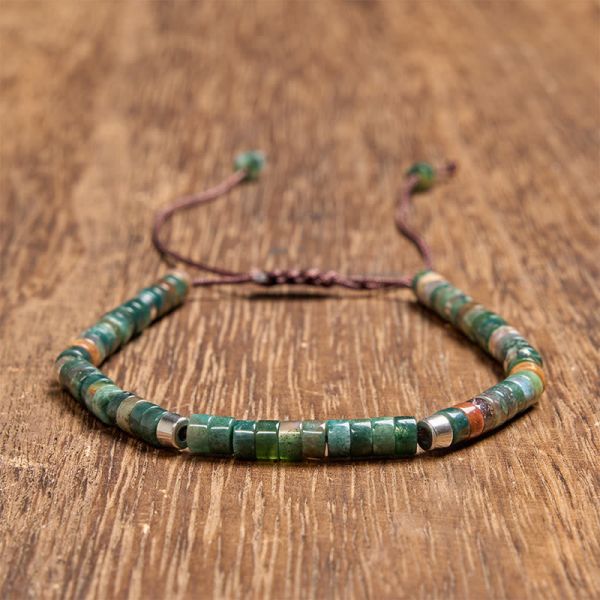 Buddha Stones Natural Indian Agate Braided Balance Bead BraceletSpecial Price $25.59 Regular Price $34.58
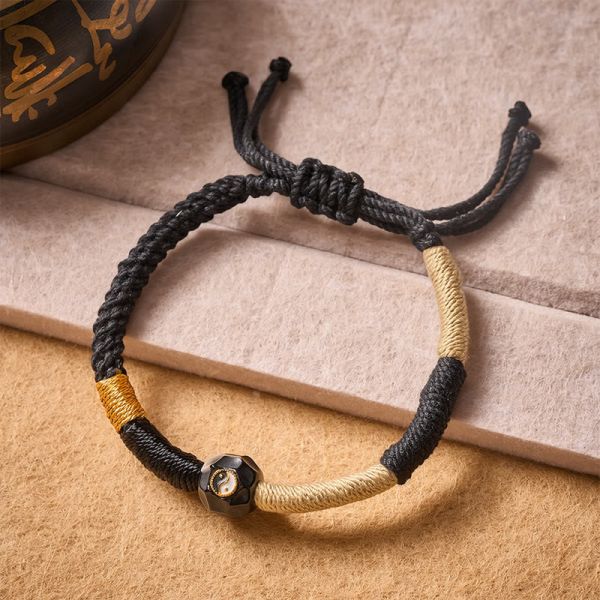 Buddha Stones Black and White Fire Agate String Balance BraceletSpecial Price $27.59 Regular Price $36.79