
Bangle vs Cuff Bracelet: A Guide to Choosing Your Fit
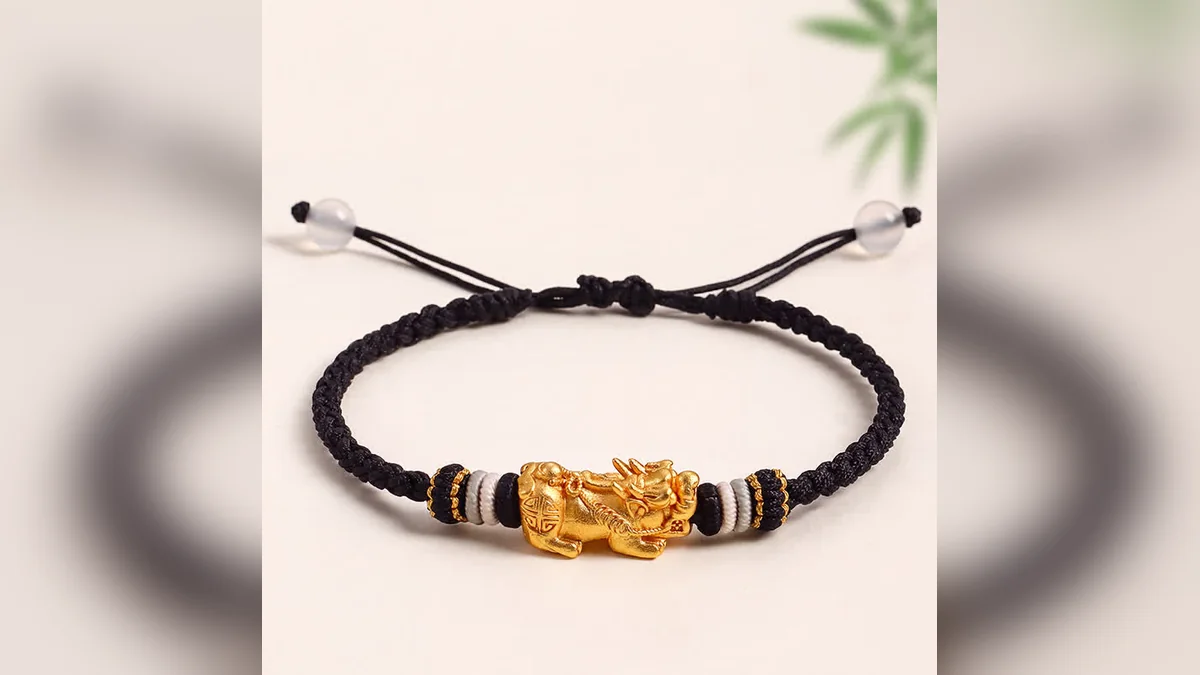
A rigid bracelet can sit neatly at the wrist yet be too small to pass over the hand. That fitting difference is a useful starting point for the bangle vs cuff bracelet decision. A bangle forms a closed, rigid loop, sometimes with a hinge and clasp; a cuff has an opening between its ends. Here, we explain how to compare entry, size, materials, and care, then consider cord and elastic bracelets if neither rigid shape suits your preferences.
Start with these questions
- How will it go on? A slip-on bangle passes over your hand. A cuff enters through its gap, while a hinged bangle opens at a clasp.
- How much movement do you want? Decide whether you prefer a bracelet that slides along the wrist or stays closer to one position.
- What measurements are available? Look for inner diameter on a bangle and opening dimensions on a cuff, alongside the seller’s sizing guidance.
- What will sit beside it? Watch cases, shirt cuffs, and neighboring bracelets can compete for space.
- Do you need adjustment? Compare a fixed shape with a cord closure before choosing by appearance alone.
Bangle vs cuff bracelet: choose the opening first
A slip-on bangle needs enough clearance to cross the widest part of your hand. Once on, it may move more freely around a narrower wrist. A hinged bangle separates these two concerns: its clasp allows entry, while its closed shape determines the fit. Check which construction you are buying; a photograph of a closed bracelet may conceal a hinge.
A cuff goes on through the gap between its ends, usually at the narrower side of the wrist. It still needs the right interior shape and opening. Do not assume that an open design can be squeezed or stretched to any size. Some cuffs permit limited adjustment, but others should retain their original shape. Follow the instructions for that particular piece.
Compare the right sizes, then check the fit
Wrist circumference, inner diameter, and cuff opening describe different things. A circumference figure alone cannot tell you whether a rigid bangle will pass over your hand. Likewise, a cuff’s overall width does not explain how much room there is between its ends. Match your measurement to the dimension the seller requests rather than converting one number into an assumed fit.
For a slip-on design, bring your fingers together with your thumb tucked toward your palm and follow the seller’s hand-sizing method. For a cuff, check both the interior dimensions and the gap. An oval interior may sit differently from a round one even when their widths appear similar.
During a fitting, turn your wrist, bend it, and let your arm hang naturally. Check for pinching at the cuff ends, excessive sliding, or a bangle that catches at the hand when removed. Try the bracelet beside your watch if you plan to wear them together. For flexible designs, our bracelet selection guide offers a broader starting point.
Choose materials alongside construction
Shape and material are separate decisions. A metal bracelet might be a rigid bangle, an open cuff, or a linked design. A gemstone bracelet might use a solid loop, elastic string, or adjustable cord. The material name alone does not tell you how the bracelet opens or fits.
Read the closure description before focusing on color. With metal designs, check the full material information if you avoid particular metals. With beads, consider their size and how they will sit beside sleeves or other jewelry. Do not judge weight from a photograph; ask for that detail if it matters to your choice. Material appearance and practical construction both deserve attention.
Care follows the material and closure
Remove bracelets before washing, swimming, or tasks that could knock them against a hard surface. Use care instructions appropriate to the complete piece, including its cord, elastic, metal, and any surface finish. A cleaning method suitable for one component may be unsuitable for another.
For routine handling, wipe away surface dust gently with a clean, dry cloth. Avoid soaking mixed-material bracelets unless their care instructions expressly allow it. Inspect cords, elastic, hinges, and clasps for wear before putting a bracelet on. Roll an elastic bracelet over the hand gently instead of pulling it wide. Keep rigid pieces in separate compartments so they cannot strike one another, and avoid repeatedly bending cuff ends.
Our cord and elastic alternatives to rigid bracelets
The following designs use adjustable cord or elastic string. They offer another construction to consider if hand clearance or a fixed cuff opening makes your choice difficult. Compare their individual wrist measurements before selecting one; adjustability still has limits.
The White Agate Copper Pi Xiu Hand-Woven Bracelet combines string, white agate, and copper. Black and Brown options are available. Its adjustable cord accommodates a wrist circumference of 5.9–7.5 in (15–19 cm). This is a cord-based option to compare with a rigid opening.
The Elegant White Chalcedony Black Agate Floral Drop Bracelet uses Premium Elastic String, with 8mm beads and a wrist circumference of 5.9–6.3 in (15–16 cm). Options include Black Onyx, Red Agate, and Yellow Agate. Check that size interval carefully rather than treating stretch as unlimited adjustment.
The Natural Indian Agate Braided Balance Bead Bracelet has an adjustable cord and a wrist circumference of 6.3-6.7 in (16-17 cm). Its materials are Indian agate and copper alloy. Use those measurements to decide whether its adjustment suits your wrist.
The Black and White Fire Agate String Balance Bracelet pairs string with black and white fire agate. Its adjustable cord accommodates a wrist circumference of 5.9–8.2 in (15–21 cm). The longer size interval may be relevant when comparing cord designs.
Color, details, and overall appearance may vary in these gemstone designs. Any references to luck, wealth, or protection express traditional wishes; those outcomes are not guaranteed.
FAQ
Can an open cuff fit any wrist?
No. Its interior dimensions and opening both matter. A cuff that is too wide may turn or slip, while one that is too small may pinch. Adjust it only when the seller specifically permits adjustment, and follow the supplied method.
Is an elastic beaded bracelet a bangle?
It forms a loop, but its flexible construction differs from a rigid bangle. Search terms can overlap in jewelry listings, so read the band and closure specifications. Elastic string and adjustable cord should be assessed using their own sizing guidance.
Which design makes more sense as a gift?
Start with the recipient’s measurements and preferred closure. For a rigid slip-on bangle, wrist size alone is insufficient; hand clearance matters too. If you only know wrist circumference, a cord design with a suitable adjustment interval may be easier to assess. Check the size before choosing the color.
Shop the story
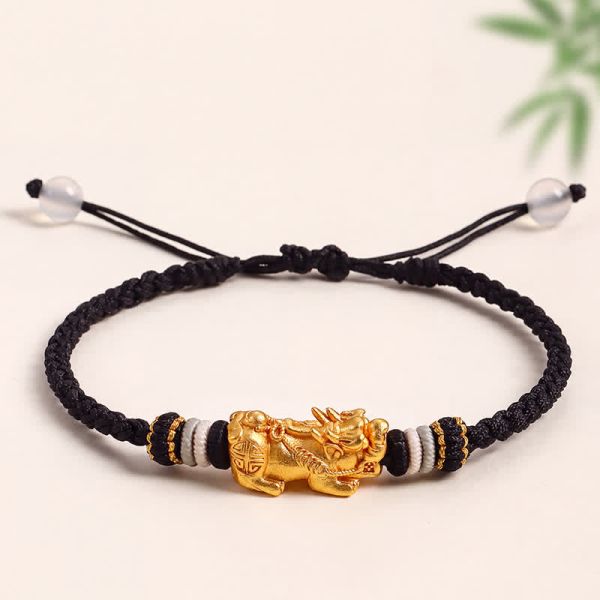 Buddha Stones White Agate Copper Pi Xiu Auspicioisness Hand-Woven BraceletAs low as $25.59 Regular Price $34.58
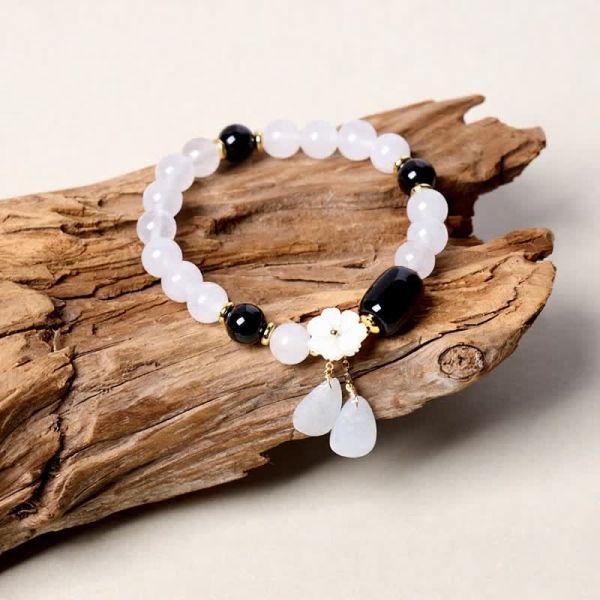 Buddha Stones Elegant White Chalcedony Black Agate Floral Drop BraceletAs low as $25.59 Regular Price $34.58
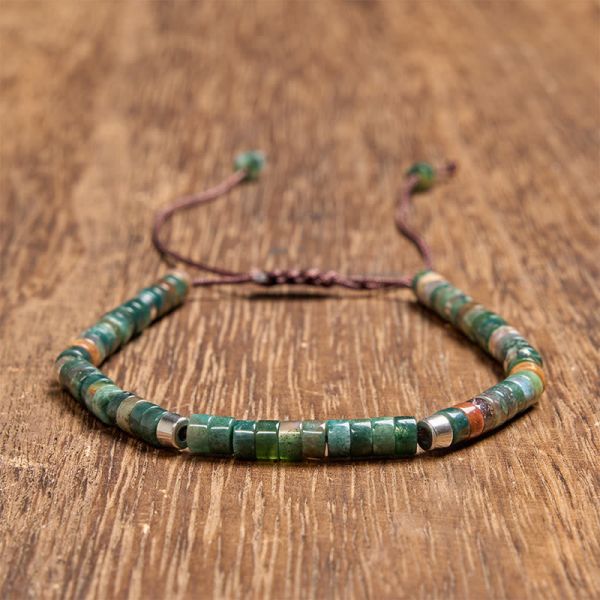 Buddha Stones Natural Indian Agate Braided Balance Bead BraceletSpecial Price $25.59 Regular Price $34.58
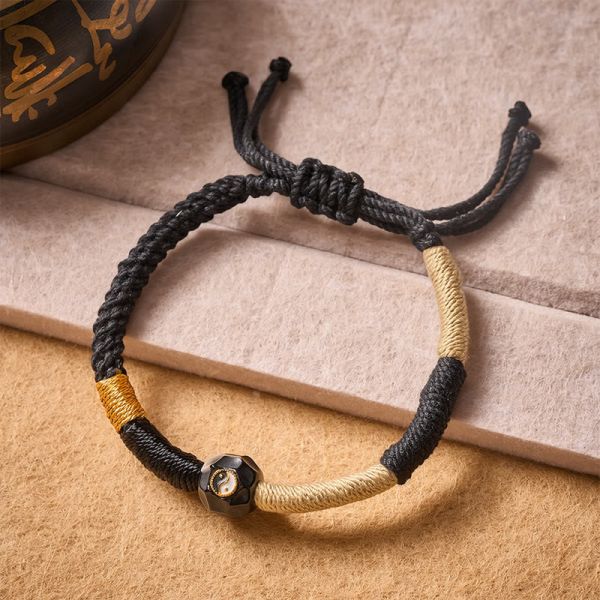 Buddha Stones Black and White Fire Agate String Balance BraceletSpecial Price $27.59 Regular Price $36.79