
Amethyst vs Fluorite: Choose by Use, Color, and Care
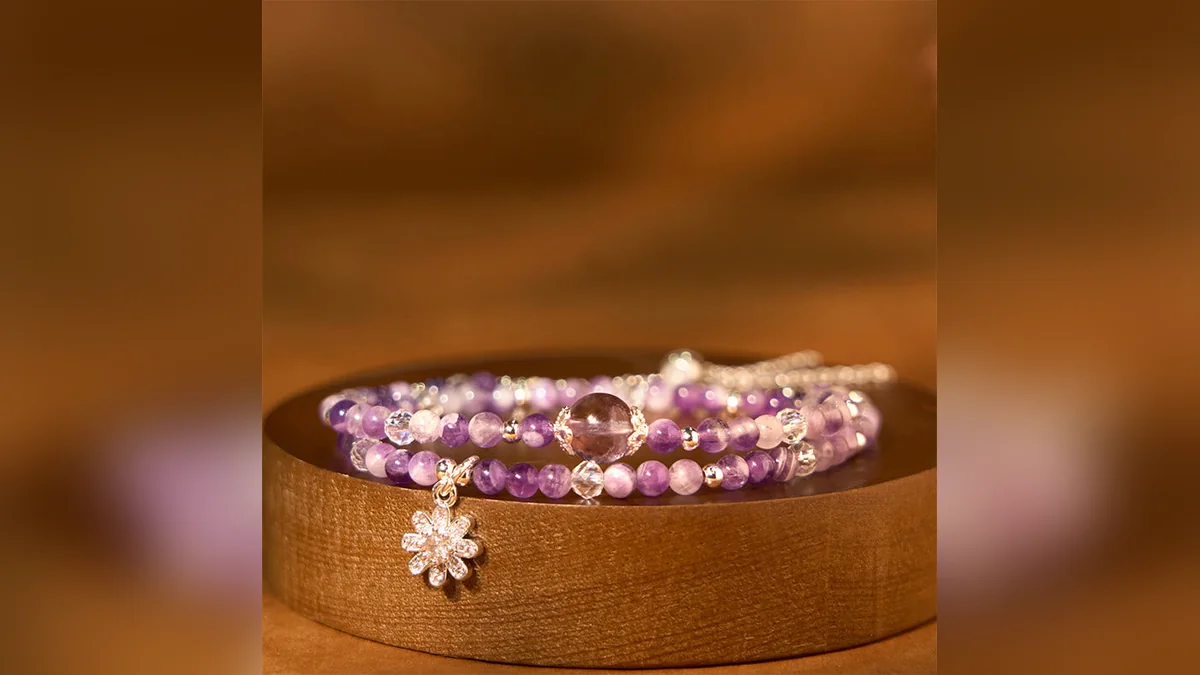
A purple bracelet and a purple shelf decoration can look similar in a shopping photo, yet need different handling. For amethyst vs fluorite, start with the intended use: amethyst is generally the more practical mineral for jewelry exposed to everyday contact, while fluorite needs gentler handling. Color alone cannot identify either stone. At Buddha Stones, we recommend comparing the material description, dimensions, and construction before choosing. This guide explains how those details affect a purchase, including decorations that combine stone materials with resin.
Start with these questions
- Will you wear it or display it? A bracelet faces contact with desks, sleeves, and other jewelry. A decoration needs a suitable place to stand.
- Do you want purple or several colors? Amethyst is purple quartz; fluorite can appear in purple, green, and other colors, sometimes in bands.
- What material will you actually touch? Read for metal, resin, and other components alongside the stone name.
- Does the size suit its purpose? Check wrist circumference for jewelry and the full dimensions for a decoration.
- How much handling will it receive? Frequent moving or carrying makes resistance to scratches and accidental knocks more relevant.
Amethyst vs fluorite: compare the material first
Amethyst belongs to the quartz family. Fluorite is a different mineral, even when its purple color resembles amethyst. Neither a purple shade nor a striped appearance is enough to establish identity from a photograph. Use the written material information to understand what is being offered; appearance is a separate part of the decision.
Amethyst is harder than fluorite, so it generally tolerates surface contact better. Fluorite scratches more readily and can split along internal planes when struck. Both can chip. For jewelry that will meet hard surfaces, amethyst offers a practical advantage, but it still needs considerate handling.
For a display purchase, that difference may matter less than construction. A decoration with a resin exterior has a different exposed surface from an uncovered mineral specimen. Read the complete description before applying stone care advice to the finished object. A stone name in an option menu does not, by itself, describe the entire object.
Choose color after those checks. Purple may suit an existing arrangement; green and purple bands may provide the variation you prefer. Photo lighting can change how shades appear, so avoid expecting an exact color match between separate purchases.
Match wrist fit and display size to the intended use
For a bracelet, compare your wrist measurement with the product's specified circumference. Do not treat a double wrap design as permission to double the published fit measurement. The bracelet below specifies 14-16cm for wrist circumference; that figure does not provide its total chain length.
Measure at the place where you intend the bracelet to sit, keeping the tape snug without pulling it tight. Our bracelet selection guide offers more help connecting fit with the style you choose. Do not assume a chain is adjustable unless that feature is specified.
For decor, mark out the published dimensions on paper before choosing a shelf or tray. Check clearance around the intended position, including room to lift the object without catching nearby items. Small millimeter dimensions and larger centimeter dimensions can be easy to overlook when product photos fill the same amount of screen space.
Care for the finished piece and its components
Begin with gentle dust removal. Use a clean, soft cloth and light pressure; avoid scrubbing a dusty surface. For a piece combining stone with resin or alloy, consider the care needs of those components too. The stone's properties alone do not establish how the whole item should be cleaned.
Avoid soaking mixed-material decorations or jewelry. Keep household cleaners, abrasives, and solvents away from them. Do not use steam or ultrasonic equipment as a default cleaning method, particularly for fluorite or an object containing resin. If a mark remains after gentle wiping, check for care instructions specific to that item before trying a stronger method.
Choose an indoor display location away from prolonged direct sunlight and strong heat. Remove a bracelet before washing or activities that could knock it against hard surfaces. When putting pieces away, give them individual compartments or pouches so their surfaces do not rub together.
Move a decoration by supporting its body from below, and place it on a stable surface away from an edge. These habits matter whichever mineral name appears in the option you select.
Products to compare by fit, scale, and construction
Our Amethyst Crystal Sunflower Double Wrap Bracelet is the wearable choice here. Its specifications give a premium chain band, wrist circumference of 14-16cm, and amethyst, crystal, and alloy materials. Use that fit information before deciding on appearance. The double wrap name does not establish an adjustable fastening or any additional length.
For a small decorative option, the Natural Amethyst Tiger's Eye Stone Love Decoration has dimensions of 15*15*10mm. Amethyst options are offered as Amethyst*5pcs and Amethyst*15pcs. Choose the option deliberately so the material and quantity match your plan. This is categorized as a decoration; the dimensions do not describe bracelet beads or a wearable strand.
The Various Crystal Nine Tailed Fox Home Decoration measures About 5.5*4.5*5.5cm. Its specifications distinguish an outer resin layer from inner materials, which include amethyst and fluorite among the choices. Amethyst and fluorite options are available. That construction detail is central to the comparison: evaluate the finished decoration as a combination of materials.
The Small Various Stone Nine Tailed Fox Warmth Home Decoration measures About 8.8*6.9*8cm. Both amethyst and fluorite options are offered, and resin appears among its specified materials. The package includes Decoration*1. Despite “Small” in its name, compare its dimensions with the other fox decoration before allocating display space.
Words such as “Protection” in product titles express traditional wishes. They do not guarantee safety or any other outcome.
FAQ
Can purple fluorite be mistaken for amethyst?
Yes. Their colors can overlap, and a photograph cannot reliably settle the question. Start with the material description. Banding, transparency, and shade may help describe appearance, but do not use a single visual feature as proof of identity.
Which should I choose for a bracelet?
Amethyst generally suits jewelry exposed to routine contact better because it is harder. Fit and construction still matter. For the bracelet featured here, compare your measurement with 14-16cm and account for the alloy and crystal components when planning care.
Does a stone name mean the decoration is solid stone?
No. Read the full material specification. One fox decoration here explicitly has a resin outer layer, and the other includes resin among its materials. For amethyst vs fluorite in these designs, compare the selected option, construction, and dimensions together.
Shop the story
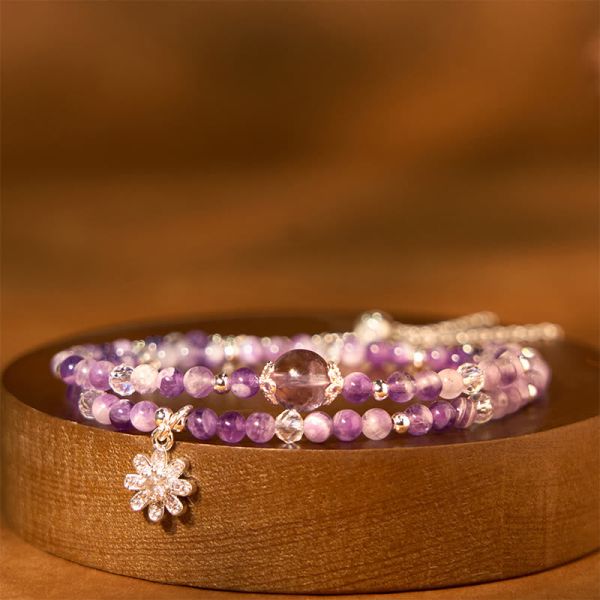 Buddha Stones Amethyst Crystal Sunflower Spiritual Awareness Double Wrap BraceletSpecial Price $25.59 Regular Price $35.54
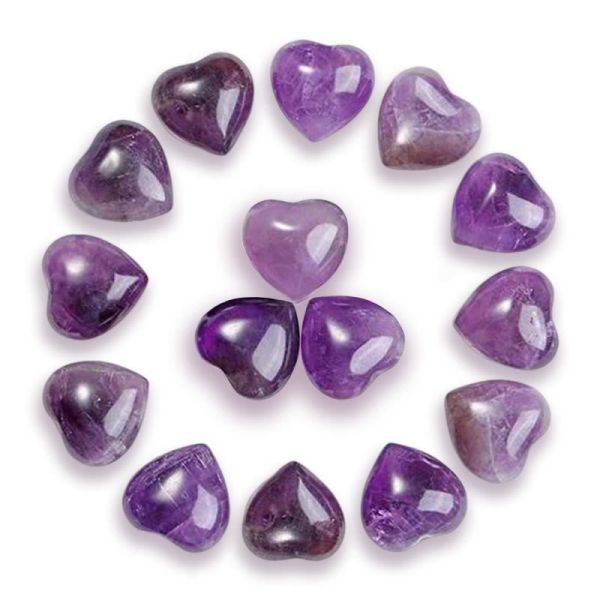 Natural Amethyst Tiger's Eye Stone Love DecorationAs low as $31.59 Regular Price $44.49
 Buddha Stones Natural Various Crystal Strawberry Quartz Amethyst Nine Tailed Fox Protection Home DecorationAs low as $29.59 Regular Price $41.10
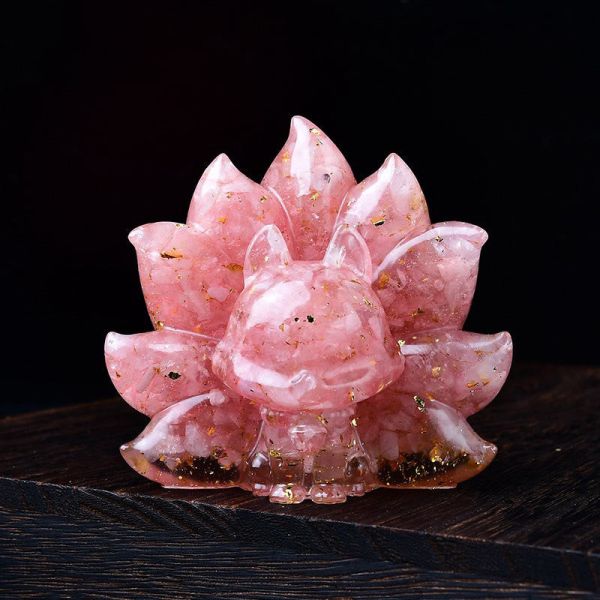 Buddha Stones Small Various Stone Pink Crystal Citrine Amethyst Nine Tailed Fox Warmth Home DecorationAs low as $46.59 Regular Price $62.96